Can Guinea pigs eat mushrooms? A comprehensive guide

Guinea pigs are cute and cuddly, but can they eat mushrooms? Find out in our article, where we explore the dangers of feeding mushrooms to these adorable pets.
Can Guinea pigs Eat mushrooms?

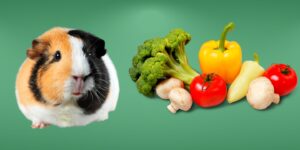
Guinea pigs can eat mushrooms, but it is important to know which types of mushrooms are safe and how to properly feed them to your furry friend. The natural diet of a Guinea pig consists mainly of fresh vegetables, hay, and a limited amount of fruits. Mushrooms can be a part of your Guinea pig's diet, but should not replace other nutrient-rich vegetables.

Nutritional Value of Mushrooms

Nutrients present in mushrooms

Mushrooms contain various beneficial nutrients, such as vitamins B, D, and K, as well as minerals like potassium, selenium, and copper. However, compared to other vegetables, mushrooms are not as nutrient-dense.

Comparison with other vegetables

While mushrooms can be a healthy addition to your Guinea pig's diet, other vegetables like bell peppers, carrots, and cucumbers provide higher levels of essential nutrients that help promote the overall health of your pet.

How to Safely Feed Mushrooms to Guinea Pigs

Washing and preparing store-bought mushrooms

Before feeding mushrooms to your Guinea pig, thoroughly wash and remove any dirt or debris. Store-bought mushrooms should be used, as wild mushrooms can be toxic to your pet.

Properly storing mushrooms to maintain freshness

To maintain the freshness of mushrooms, store them in a cool, dry place and avoid exposing them to sunlight or moisture.

Cutting mushrooms into appropriate sizes for guinea pigs

When preparing mushrooms for your Guinea pig, cut them into small slices or pieces that are easy for your pet to chew and digest.

Health Benefits of Mushrooms for Guinea Pigs

Boosting their immune system

Mushrooms contain beta-glucans, which can help support a healthy immune system in your Guinea pig.

Antioxidant properties

Mushrooms are high in antioxidants, which help protect Guinea pigs against cell damage and support overall health.

Maintaining a healthy weight

As mushrooms are low in calories and high in fiber, they can aid in maintaining a healthy weight for your Guinea pig.

Potential Risks and Side Effects

Choking hazards

When feeding mushrooms to your Guinea pig, ensure they are cut into small, manageable pieces to minimize the risk of choking.

Allergic reactions

Some Guinea pigs might be allergic to mushrooms, so always monitor your pet for any signs of an allergic reaction when introducing a new food.

Overconsumption and its effects

As mushrooms are high in moisture, overconsumption can lead to diarrhea and other digestive issues in your Guinea pig.

Alternatives to Mushrooms

Other safe vegetables for guinea pigs

If you are looking for alternative vegetables to feed your Guinea pig, consider leafy greens like kale, lettuce, or spinach, as well as other vegetables like zucchini, celery, or broccoli.

Treats that can be offered instead of mushrooms

For occasional treats, you can offer your Guinea pig small amounts of fruits like apples, pears, or strawberries.

Monitoring Your Guinea Pig's Health

Signs of a healthy guinea pig

A healthy Guinea pig should be active, have a good appetite, and maintain a consistent weight. Their coat should also be shiny and smooth.

What to watch for after introducing mushrooms to their diet

Monitor your Guinea pig for any changes in behavior, appetite, or stool consistency after introducing mushrooms to their diet.

When to consult a vet

If your Guinea pig shows signs of illness or distress, such as lethargy, weight loss, or diarrhea, consult your vet immediately.

Conclusion

A balanced diet is crucial for maintaining the health of your Guinea pig. While store-bought mushrooms can be a safe treat when fed in moderation, it is essential to remember the dangers of wild mushrooms and monitor your pet's health after introducing any new food. Providing a variety of vegetables and occasional fruit treats will help ensure your Guinea pig receives all the nutrients they need to stay happy and healthy.

Medically Reviewed by Ivana Crnec, DVM

Ivana is a DVM with a specialty in domestic carnivores – dogs & cats. She is passionate about educating pet owners and raising awareness about pet health.

You Might Also Be Interested In:

Can Dogs Eat pecans?
Toxic to Dogs
Ivana Crnec, DVM

Can Dogs Eat Pecans?

Pecans may be a tasty snack for humans, but can dogs enjoy them too? Find out if it’s safe for your furry friend to indulge in this nutty treat.

Read More »
Can Dogs Eat cabbage?
Safe for Dogs
Ivana Crnec, DVM

Can Dogs Eat Cabbage?

Can dogs eat cabbage? Find out the answer in this comprehensive article that explores the potential health benefits and risks of this leafy green vegetable for your furry friend.

Read More »
Can Dogs Eat jasmine rice?
Safe for Dogs
Ivana Crnec, DVM

Can Dogs Eat Jasmine Rice?

Can dogs eat jasmine rice? Find out the answer in this comprehensive article, which discusses the benefits and risks of feeding jasmine rice to dogs, as well as appropriate portion sizes.

Read More »
Can Dogs Eat donuts?
Dangerous to Dogs
Ivana Crnec, DVM

Can Dogs Eat Donuts?

Is it okay to give your dog a donut? Find out the answer in this article and learn why donuts are not a healthy option for dogs as part of their regular diet.

Read More »
Can Dogs Eat candy?
Toxic to Dogs
Ivana Crnec, DVM

Can Dogs Eat Candy?

Did you know that candy can be dangerous for dogs? Find out what you should do if your furry friend accidentally eats some and how to keep them safe in our comprehensive article.

Read More »
Can Dogs Eat rice cakes?
Safe for Dogs
Ivana Crnec, DVM

Can Dogs Eat Rice Cakes?

Can dogs eat rice cakes? Find out in this article, which covers the potential benefits and risks of feeding rice cakes to dogs, as well as the recommended serving size.

Read More »
Can Dogs Eat apple juice?
Dangerous to Dogs
Ivana Crnec, DVM

Can Dogs Drink Apple Juice?

Is apple juice safe for dogs to drink? Find out in this comprehensive article, which covers the potential dangers and offers safe alternatives for your furry friend.

Read More »
Can Dogs Eat blue cheese?
Dangerous to Dogs
Ivana Crnec, DVM

Can Dogs Eat Blue Cheese?

Is blue cheese safe for dogs to eat? Find out in our comprehensive article, which covers the potential risks and healthy alternatives for your furry friend.

Read More »
Can Dogs Eat mulberries?
Safe for Dogs
Ivana Crnec, DVM

Can Dogs Eat Mulberries?

Mulberries may be tasty treats for humans, but can they be safely fed to dogs? Find out in our comprehensive article on whether dogs can eat mulberries, including information on portion size and potential risks.

Read More »
Can Dogs Eat banana chips?
Not Recommended for Dogs
Ivana Crnec, DVM

Can Dogs Eat Banana Chips?

Dogs may be able to eat banana chips, but is it really a good idea? Read on to learn more about the potential dangers and benefits of this treat for your furry friend.

Read More »
Can Dogs Eat french fries?
Dangerous to Dogs
Ivana Crnec, DVM

Can Dogs Eat French Fries?

Is it okay for dogs to eat french fries? Find out in this comprehensive article, which covers why french fries are not good for dogs and provides healthy alternatives. Plus, learn about portion size for dogs.

Read More »
Can Dogs Eat dates?
Not Recommended for Dogs
Ivana Crnec, DVM

Can Dogs Eat Dates?

Can dogs eat dates? Read on to learn about the potential benefits and risks of feeding dates to your furry friend, as well as appropriate portion sizes.

Read More »
Can Dogs Eat cod?
Safe for Dogs
Ivana Crnec, DVM

Can Dogs Eat Cod?

Dogs love to chow down on all sorts of delicious treats, but can they enjoy cod? Find out if this lean fish is safe for man’s best friend, and learn about the potential risks and benefits.

Read More »
Can Dogs Eat garlic bread?
Toxic to Dogs
Ivana Crnec, DVM

Can Dogs Eat Garlic Bread?

Is garlic bread safe for dogs to eat? Find out in our comprehensive article, including information on portion size and what to do if your dog has eaten garlic bread.

Read More »