Can Birds Eat Cheese? The Dos and Don'ts

Is cheese a safe and nutritious option for our feathered friends? Find out in our comprehensive article on whether birds can eat cheese, including tips on portion size and safe types to feed.
Can Birds Eat cheese?

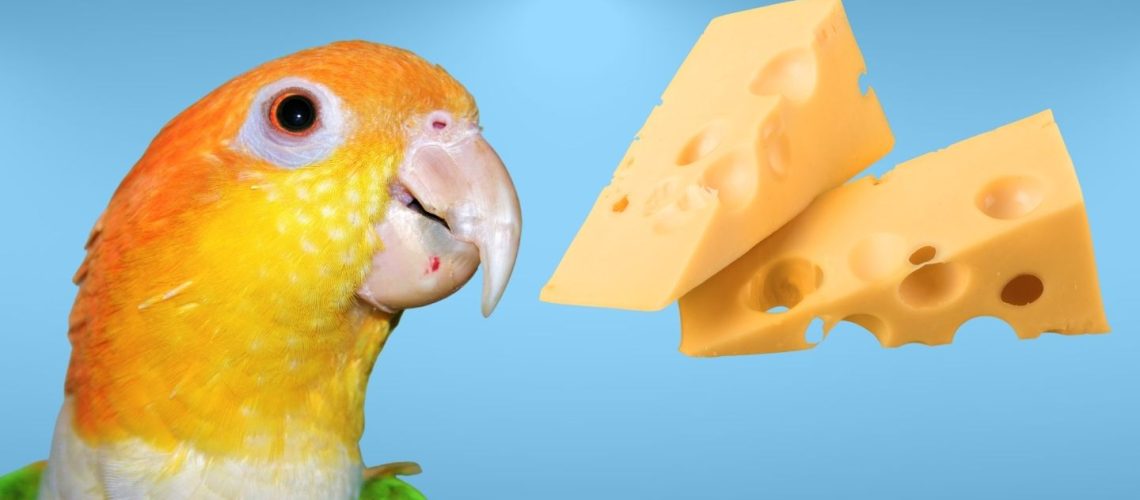
Yes, birds can eat cheese, although it is not a necessary part of their diet and should be fed in moderation. Cheese is a good source of protein and calcium for birds, but it is high in fat and salt and should not be the main component of their diet. Offering cheese as a treat can have its benefits, but it is important to be aware of the risks associated with overfeeding.

Nutritional Value of Cheese for Birds

Protein content

Cheese is a rich source of protein, which is essential for a bird's muscle development, growth, and overall health.

Calcium content

Calcium is vital for strong bones and beak health, and cheese can provide a good source of calcium for birds.

Fat content

Cheese is high in fat, which can be beneficial for some birds, particularly during colder months when they need extra energy. However, overfeeding cheese can cause weight gain and other health issues.

Salt content

Cheese is also high in salt, which can lead to excessive thirst and kidney problems in birds if fed in large amounts.

Types of Cheese Suitable for Birds

Hard cheeses

Cheddar

Cheddar is a safe option for birds and can be offered in small pieces.

Swiss

Swiss cheese is another hard cheese that is suitable for birds.

Soft cheeses

Mozzarella

Mozzarella is a soft cheese that can be given to birds as a treat.

Cottage cheese

Cottage cheese is lower in fat than other cheeses and can be a healthier alternative for birds.

Cheese to avoid

Moldy cheese

Moldy cheese can be toxic to birds and should never be fed to them.

Blue cheese

Blue cheese is not recommended due to its high mold content.

Processed cheese

Processed cheese often contains added chemicals and preservatives, which can be harmful to birds.

Feeding Guidelines for Birds

Portion sizes and frequency

Cheese should be offered in small amounts and only as an occasional treat. Overfeeding can cause health issues.

Introducing cheese to your bird's diet

Introduce cheese slowly and in small amounts to see how your bird tolerates it. Some birds may be lactose intolerant.

Monitoring your bird's reaction to cheese

Keep an eye on your bird's reaction to cheese and discontinue feeding if any adverse effects are observed.

Alternatives to cheese

If you choose not to feed cheese, other protein and calcium-rich foods like nuts, seeds, and leafy greens can be offered instead.

Precautions and Potential Health Issues

Lactose intolerance in birds

Some birds may be lactose intolerant, resulting in digestive issues when fed cheese.

Weight gain

Overfeeding cheese can lead to weight gain and obesity-related health issues in birds.

Kidney problems

High salt content in cheese can cause excessive thirst and lead to kidney problems in birds if fed in large amounts.

Digestive issues

Monitor your bird for signs of digestive issues while feeding cheese and discontinue if any issues arise.

Homemade Bird Feeder Ideas with Cheese

Cheese and seed mixtures

Combine small pieces of cheese with a mixture of seeds for a delicious and nutritious treat.

Cheese and fruit kabobs

Skewer small pieces of cheese with fruit for a tasty and visually appealing bird feeder.

Cheese and vegetable skewers

Thread chunks of cheese and vegetables onto skewers for a wholesome bird snack.

Conclusion

Feeding cheese to birds can provide health benefits, but it is essential to balance the risks and offer it in moderation. Ensuring a varied and balanced diet, including other sources of protein and calcium, is crucial for your bird's overall health and well-being.

Medically Reviewed by Nauman Zaheer, DVM

Nauman Zaheer Ghumman, DVM is an MPhil qualified Licensed Veterinary Doctor with a wide range of academic writing experience, including published work in an International Veterinary journal and educational material for Pet owners.

You Might Also Be Interested In:

Can Dogs Eat pecans?
Toxic to Dogs
Ivana Crnec, DVM

Can Dogs Eat Pecans?

Pecans may be a tasty snack for humans, but can dogs enjoy them too? Find out if it’s safe for your furry friend to indulge in this nutty treat.

Read More »
Can Dogs Eat cabbage?
Safe for Dogs
Ivana Crnec, DVM

Can Dogs Eat Cabbage?

Can dogs eat cabbage? Find out the answer in this comprehensive article that explores the potential health benefits and risks of this leafy green vegetable for your furry friend.

Read More »
Can Dogs Eat jasmine rice?
Safe for Dogs
Ivana Crnec, DVM

Can Dogs Eat Jasmine Rice?

Can dogs eat jasmine rice? Find out the answer in this comprehensive article, which discusses the benefits and risks of feeding jasmine rice to dogs, as well as appropriate portion sizes.

Read More »
Can Dogs Eat donuts?
Dangerous to Dogs
Ivana Crnec, DVM

Can Dogs Eat Donuts?

Is it okay to give your dog a donut? Find out the answer in this article and learn why donuts are not a healthy option for dogs as part of their regular diet.

Read More »
Can Dogs Eat candy?
Toxic to Dogs
Ivana Crnec, DVM

Can Dogs Eat Candy?

Did you know that candy can be dangerous for dogs? Find out what you should do if your furry friend accidentally eats some and how to keep them safe in our comprehensive article.

Read More »
Can Dogs Eat rice cakes?
Safe for Dogs
Ivana Crnec, DVM

Can Dogs Eat Rice Cakes?

Can dogs eat rice cakes? Find out in this article, which covers the potential benefits and risks of feeding rice cakes to dogs, as well as the recommended serving size.

Read More »
Can Dogs Eat apple juice?
Dangerous to Dogs
Ivana Crnec, DVM

Can Dogs Drink Apple Juice?

Is apple juice safe for dogs to drink? Find out in this comprehensive article, which covers the potential dangers and offers safe alternatives for your furry friend.

Read More »
Can Dogs Eat blue cheese?
Dangerous to Dogs
Ivana Crnec, DVM

Can Dogs Eat Blue Cheese?

Is blue cheese safe for dogs to eat? Find out in our comprehensive article, which covers the potential risks and healthy alternatives for your furry friend.

Read More »
Can Dogs Eat mulberries?
Safe for Dogs
Ivana Crnec, DVM

Can Dogs Eat Mulberries?

Mulberries may be tasty treats for humans, but can they be safely fed to dogs? Find out in our comprehensive article on whether dogs can eat mulberries, including information on portion size and potential risks.

Read More »
Can Dogs Eat banana chips?
Not Recommended for Dogs
Ivana Crnec, DVM

Can Dogs Eat Banana Chips?

Dogs may be able to eat banana chips, but is it really a good idea? Read on to learn more about the potential dangers and benefits of this treat for your furry friend.

Read More »
Can Dogs Eat french fries?
Dangerous to Dogs
Ivana Crnec, DVM

Can Dogs Eat French Fries?

Is it okay for dogs to eat french fries? Find out in this comprehensive article, which covers why french fries are not good for dogs and provides healthy alternatives. Plus, learn about portion size for dogs.

Read More »
Can Dogs Eat dates?
Not Recommended for Dogs
Ivana Crnec, DVM

Can Dogs Eat Dates?

Can dogs eat dates? Read on to learn about the potential benefits and risks of feeding dates to your furry friend, as well as appropriate portion sizes.

Read More »
Can Dogs Eat cod?
Safe for Dogs
Ivana Crnec, DVM

Can Dogs Eat Cod?

Dogs love to chow down on all sorts of delicious treats, but can they enjoy cod? Find out if this lean fish is safe for man’s best friend, and learn about the potential risks and benefits.

Read More »
Can Dogs Eat garlic bread?
Toxic to Dogs
Ivana Crnec, DVM

Can Dogs Eat Garlic Bread?

Is garlic bread safe for dogs to eat? Find out in our comprehensive article, including information on portion size and what to do if your dog has eaten garlic bread.

Read More »