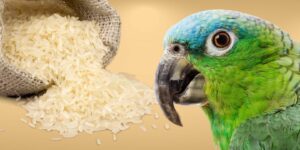
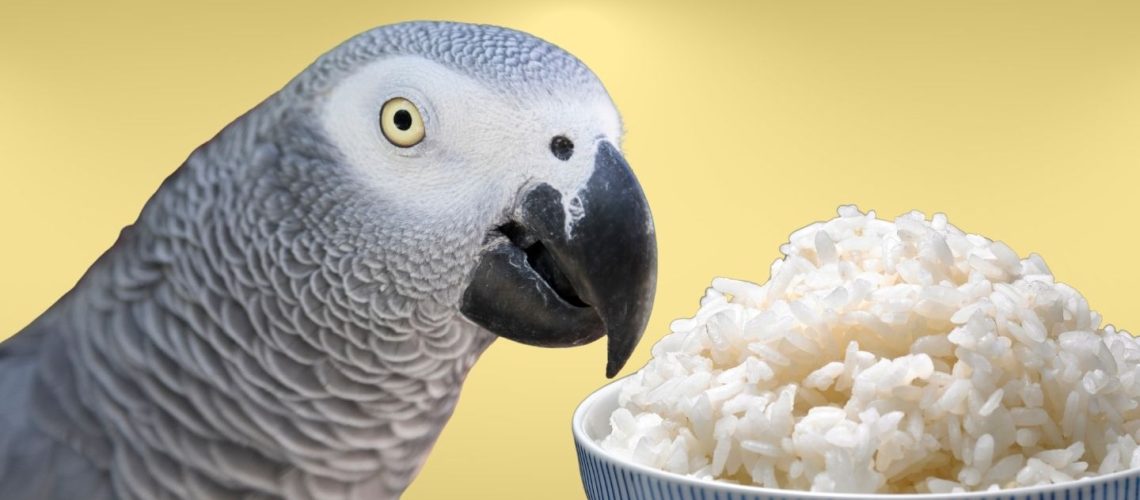
Yes, birds can eat cooked rice. However, it should be given in moderation as a treat, and should not make up the majority of their diet. Rice can be a healthy addition to a bird's diet, as it is a good source of carbohydrates and provides some essential nutrients. However, it is important to remember that birds have specific nutritional requirements, and a diet based solely on rice or any single food may not provide all the nutrients they need to stay healthy.
Nutritional Requirements of Birds
Essential nutrients for birds
Birds require a balanced diet that includes proteins, carbohydrates, fats, vitamins, and minerals to maintain their overall health. Proteins are essential for growth and repair of tissues, while carbohydrates provide energy to fuel their active lifestyles. Fats act as a concentrated source of energy and also play a role in maintaining healthy skin and feathers. Vitamins and minerals are required for various functions in the body, such as maintaining a strong immune system and supporting bone health.
Importance of providing a varied diet
A varied diet ensures that your bird receives all the essential nutrients they need to stay healthy. Offer a mix of fresh fruits, vegetables, high-quality pellets or seeds, and occasional treats like cooked rice to provide a well-rounded diet. Rotating the types of food you offer can also help prevent picky eating and boredom in your bird.
Types of Cooked Rice Safe for Birds
White rice
White rice is the most common type of rice fed to birds. It is easy to digest, and although it has less fiber and nutrients than brown rice, it can still be a healthy addition to your bird's diet when given in moderation.
Brown rice
Brown rice is a whole grain, which means it contains more fiber, vitamins, and minerals than white rice. It can be a healthier option for your bird but may take longer to cook and have a slightly different texture. Introduce brown rice gradually to let your bird adjust to the change.
Wild rice
Wild rice is not technically a type of rice but a type of aquatic grass seed. It is high in protein and fiber, making it a nutritious option for birds. However, wild rice can be more expensive than other types of rice and may not be as readily available.
Preparing Cooked Rice for Birds
Cooking methods
Rice can be cooked in a variety of ways such as boiling, steaming, or microwaving. Regardless of the method you choose, ensure that the rice is thoroughly cooked, soft, and free of any uncooked grains, as these can be difficult for your bird to digest.
Ensuring rice is safe for consumption
Always use plain, unseasoned rice when feeding your bird. Spices, salts, and certain additives can be harmful or toxic to birds. Additionally, cook the rice in plain water without adding any oils, butter, or other fats.
Storing cooked rice for later use
If you have cooked extra rice, it can be stored in the refrigerator for up to three days. When feeding refrigerated rice to your bird, ensure it has reached room temperature before offering it.
Foods to Avoid Mixing with Cooked Rice for Birds
Salt and other seasonings
Salt can be toxic to birds when consumed in large quantities. Avoid adding salt, soy sauce, or other salty seasonings to rice meant for your bird.
Onions and garlic
Onions and garlic can cause digestive issues and anemia in birds. Keep these ingredients away from your bird's food.
Avocado
Avocado contains a toxin called persin, which can cause respiratory distress, heart failure, and even death in birds. Never feed your bird avocado, whether mixed with rice or not.
Chocolate
Chocolate contains theobromine, which is toxic to birds. Keep chocolate products away from your bird's food.
Observing Your Bird's Reaction to Cooked Rice
Monitoring changes in behavior
Watch your bird closely after introducing cooked rice to their diet. If you observe any changes in behavior, such as lethargy, loss of appetite, or difficulty breathing, consult your veterinarian immediately.
Recognizing signs of indigestion or illness
Signs of indigestion or digestive issues in birds may include diarrhea, vomiting, or a change in the appearance of their droppings. If you notice any of these symptoms after feeding your bird cooked rice, reduce the amount or discontinue feeding rice altogether.
Adjusting portion sizes and frequency
If your bird enjoys cooked rice and shows no signs of indigestion or illness, feel free to offer rice as an occasional treat. Remember to keep rice portions small and adjust the frequency of feeding based on your bird's overall diet.
Alternatives to Cooked Rice for Birds
Whole grains
Other whole grains like quinoa, barley, and oats can also be fed to birds in moderation. These grains are high in fiber and nutrients.
Legumes
Legumes, such as lentils, chickpeas, and beans, are a good source of plant-based protein for birds. Cook them thoroughly and offer them unseasoned or mixed with other healthy ingredients.
Vegetables
Many birds enjoy a variety of fresh vegetables, such as leafy greens, bell peppers, and carrots. Wash and chop the vegetables and offer them along with the bird's regular diet.
Frequently Asked Questions
Can I feed my bird uncooked rice?
Feeding birds uncooked rice is generally not recommended, as it can be difficult for them to digest and may cause indigestion or other digestive issues. Always feed your bird thoroughly cooked rice.
Can birds eat flavored rice?
Flavored rice often contains added salt, spices, or other ingredients that may be harmful to birds. It is best to feed your bird plain, unseasoned rice.
How often should I feed my bird cooked rice?
Cooked rice can be offered as a treat, making up no more than 10-20% of your bird's overall diet. Be sure to consult with a veterinarian or a certified avian nutritionist to determine the appropriate frequency based on your bird's specific needs.
Expert Opinions and Resources
Consult with a veterinarian or avian nutritionist
For personalized advice on your bird's diet, consult with your veterinarian or a certified avian nutritionist. These experts can provide guidance on the appropriate foods, portion sizes, and feeding frequencies for your specific bird.
Online forums and communities for bird owners
Join online forums or social media groups dedicated to bird owners, where you can ask questions, share experiences, and learn from the insights of fellow bird enthusiasts.
Books and articles on avian nutrition and care
Explore books, articles, and websites that focus on avian nutrition and care to expand your knowledge on the subject and ensure that you are providing the best possible diet for your bird.