
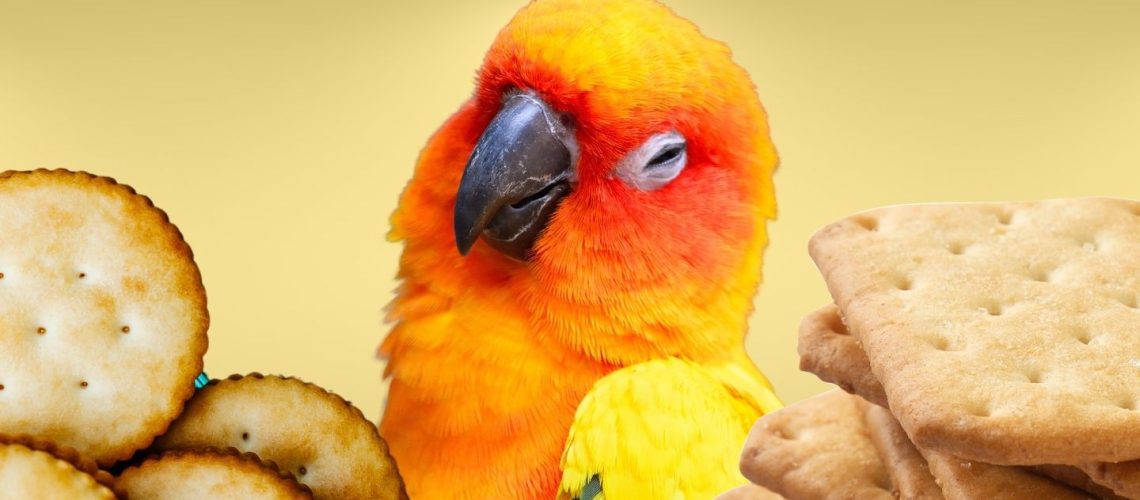
Introduction: Understanding Bird Diets
Birds require a healthy, balanced diet to thrive, which consists of various food items designed to meet their specific nutritional needs. While treats and snacks, like crackers, can be enjoyable for birds, it's crucial to feed them in moderation and prioritize their primary dietary requirements.
The Importance of a Balanced Diet for Birds
A balanced diet ensures that birds receive all the essential nutrients they need for growth, energy, and overall good health. This typically includes a combination of proteins, vitamins, minerals, fats, and carbohydrates, derived from a variety of food sources.
Common Food Items in a Bird's Diet
Common food items in a bird's diet include:
- Pellets or birdseed mixes
- Fresh fruits and vegetables
- Insects and worms
- Seeds and nuts
- Cooked whole grains
Treats and Snacks for Birds
Treats and snacks for birds should be occasional indulgences offered in addition to their regular diet. It's important to choose safe, healthy options and avoid feeding large quantities, as too many treats can lead to health problems, such as obesity.
Why Crackers Can Be a Treat for Birds
Nutritional Content of Crackers
Crackers, made from whole grains or other grains, can provide carbohydrates, proteins, and trace minerals. However, they don't contain all the essential nutrients required by a bird and should not make up a significant portion of their diet.
The Appeal of Crackers to Birds
Birds generally enjoy the crunchy texture and mild flavor of crackers, making them an attractive treat option.
Potential Health Concerns of Feeding Crackers to Birds
High Salt Content in Crackers
Many crackers contain a high amount of sodium, which can be harmful to birds if consumed in large quantities. Excessive salt intake may cause dehydration, kidney malfunction, or even death.
Preservatives and Artificial Ingredients
Some crackers contain preservatives or artificial ingredients, which can pose a risk to a bird's health. Opt for natural and minimally processed crackers when possible.
The Risk of Choking or Digestive Issues
Crackers, if not broken down into small pieces, can pose a choking hazard to birds. Additionally, excessive consumption of crackers may cause digestive issues, such as constipation or diarrhea.
Choosing the Right Crackers for Your Bird
Whole Grain Crackers
Select whole grain crackers for birds, as they typically contain more nutrients and fiber compared to white flour crackers.
Unsalted and Unflavored Crackers
Choose crackers that are unsalted and unflavored, as they pose fewer risks to a bird's health.
Avoiding Crackers with Harmful Ingredients
Steer clear of crackers containing ingredients that can be harmful to birds, such as:
- Onion or garlic powder
- Chocolate or cocoa powder
- Added sugars
Properly Feeding Crackers to Your Bird
Breaking Crackers into Small Pieces
Break crackers into small, manageable pieces before feeding them to your bird, reducing the risk of choking.
Monitoring Your Bird's Consumption
Monitor your bird's consumption of crackers and ensure they eat them in moderation, focusing on maintaining a nutritionally balanced diet.
Combining Crackers with Other Healthy Treats
Consider combining crackers with other healthy treats, like fruits, vegetables, seeds, or nuts, to provide variety and balance in your bird's diet.
Signs of Overfeeding and Health Issues in Birds
Weight Gain and Obesity in Birds
Obesity can lead to various health problems, including difficulty flying or perching, respiratory issues, and heart disease. Monitor your bird's weight and adjust their diet accordingly to avoid these issues.
Salt Toxicity in Birds
Signs of salt toxicity in birds include:
- Excessive drinking or urination
- Weakness or lethargy
- Loss of appetite
- Seizures
If you suspect your bird is experiencing salt toxicity, consult a veterinarian immediately.
Allergies or Sensitivities to Ingredients
Monitor your bird for any signs of allergies or sensitivities to ingredients in crackers or other foods, such as skin irritation, itching, or digestive issues.
Alternatives to Crackers as Bird Treats
Fresh Fruits and Vegetables
Offer fresh, chopped fruits and vegetables, such as apples, berries, carrots, or kale, as a healthy treat option.
Seeds and Nuts
Seeds and nuts, like sunflower seeds or almonds, provide a good source of protein, healthy fats, and essential nutrients.
Cooked Whole Grains
Cooked whole grains, like brown rice or quinoa, can be a nutritious and enjoyable treat for birds.
Conclusion: The Role of Crackers in a Bird's Diet
The Importance of Moderation and Balance
Birds can safely eat crackers as an occasional treat, as long as they are plain and unsalted. It's essential to maintain a balanced diet geared toward your bird's primary nutritional needs and offer treats in moderation to avoid health problems.
Monitoring Your Bird's Health and Diet
Keeping a close eye on your bird's weight and overall health is crucial, adjusting their diet as needed to ensure optimal health and longevity.
Seeking Professional Advice for Bird Nutrition
Consult with a veterinarian or avian specialist for guidance on bird nutrition, particularly if you have concerns about your bird's diet or health. Their input can be invaluable in maintaining a healthy and happy bird.