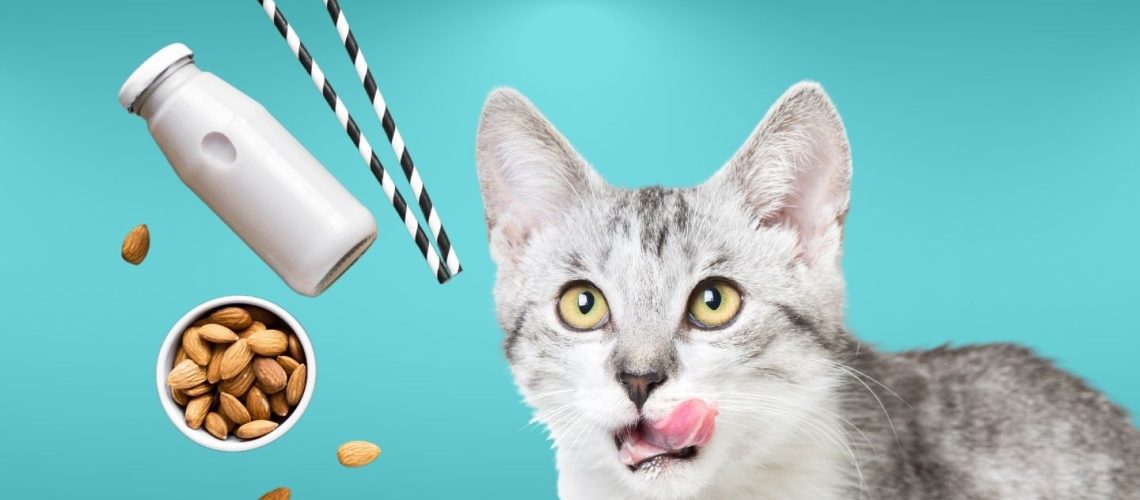
Cats can consume almond milk, but it should only be given to them in small amounts as a treat, not as a regular part of their diet. Almond milk is a lactose-free, low-calorie option that can have some health benefits for cats; however, it is low in essential nutrients and should not be used as a substitute for cat food. Always consult with your veterinarian before introducing any new foods into your cat's diet.
Almond Milk: A closer look
How almond milk is made
Almond milk is a plant-based milk alternative made from almonds and water. The process typically involves blending almonds with water and then straining the mixture to remove any solid particles. This results in a creamy, milk-like liquid that can be used as a substitute for cow's milk or other milk alternatives.
Comparison to cow's milk and other milk alternatives
While almond milk may be similar in appearance to cow's milk and other milk alternatives, it has a unique nutritional profile. It is a good source of vitamins and minerals, including vitamins D and E, calcium, magnesium, and potassium, but it is low in protein and fat compared to cow's milk. This makes it less suitable as a primary food source for cats, which require a diet high in protein and fat from animal sources.
Pros of giving almond milk to cats
Lactose-free option
Many cats are lactose intolerant, which means that they have difficulty digesting lactose, a sugar found in cow's milk. Almond milk is lactose-free, making it a good option for cats that cannot tolerate cow's milk.
Low in calories
Almond milk is relatively low in calories, which can help prevent weight gain in cats when given in moderation.
Possible health benefits (hydration, vitamins, minerals)
The potassium present in almond milk helps the body in cellular functions, while magnesium helps in good bowel movement and urinary problems. Additionally, the vitamins and minerals in almond milk can contribute to overall health when consumed in small amounts.
Cons of giving almond milk to cats
Low in essential nutrients for cats
Cats are obligate carnivores and require a diet high in protein and fat from animal sources. Almond milk is low in both of these nutrients, so feeding it to your cat regularly could lead to malnutrition and other health problems.
Potential allergens in almond milk
Some cats may be allergic to almonds or other ingredients found in almond milk, causing adverse reactions such as vomiting, diarrhea, or skin irritations.
Sugar content in some almond milk brands
Some brands of almond milk may contain added sugars or sweeteners, which are not healthy for cats and can contribute to weight gain and other health issues.
Artificial additives and preservatives
Certain almond milk products may contain artificial additives and preservatives that could be harmful to your cat's health.
Alternatives to almond milk for cats
Cat-safe lactose-free milk products
There are specially formulated lactose-free milk products available for cats that provide them with the nutrients they need without causing digestive issues.
Homemade milk alternatives for cats
You can also make homemade milk alternatives for your cat using ingredients such as goat's milk or coconut milk, which may be better suited to their nutritional needs.
Safe treats and supplements for cats
There are many commercially available cat treats and supplements that are designed to provide additional nutrients and enjoyment for your cat without the risks associated with almond milk.
Tips for offering almond milk to your cat
Introducing almond milk slowly
If you decide to give your cat almond milk, start by offering a small amount and gradually increase the serving size to ensure that your cat does not experience any adverse reactions.
Monitoring your cat's reaction
Keep an eye on your cat after they consume almond milk to make sure they do not exhibit any signs of an allergic reaction or other health issues.
Choosing the right almond milk brand for your cat
Opt for unsweetened, additive-free almond milk brands to minimize potential health risks for your cat.
Expert advice and recommendations
Consult with a veterinarian
Always consult with your veterinarian before introducing any new foods into your cat's diet, as they can provide guidance on what is best for your specific pet's needs.
Customizing your cat's diet based on individual needs
Remember that every cat is different, and their dietary needs may vary based on factors such as age, size, activity level, and health conditions.
Frequently Asked Questions
Can kittens drink almond milk?
Kittens should not be given almond milk, as their nutritional needs are different from adult cats, and they require a diet specifically formulated for their growth and development.
Are there any specific cat breeds that can/cannot consume almond milk?
There are no specific cat breeds that are more or less suited to consuming almond milk. However, it is important to always monitor your cat's reaction to any new food and consult with your veterinarian for guidance.
How often can I give almond milk to my cat as a treat?
A good rule of thumb is to only give your cat a tablespoon of almond milk occasionally as a treat. Overconsumption of almond milk can lead to nutritional imbalances and potential health issues.
Summary and Final Thoughts
Weighing the pros and cons of giving almond milk to cats is crucial for their overall health and wellbeing. While it can be an occasional treat, it should not be a substitute for a nutritionally balanced diet. Consult with your veterinarian and customize your cat's diet based on their individual needs to ensure their long-term health and happiness.