
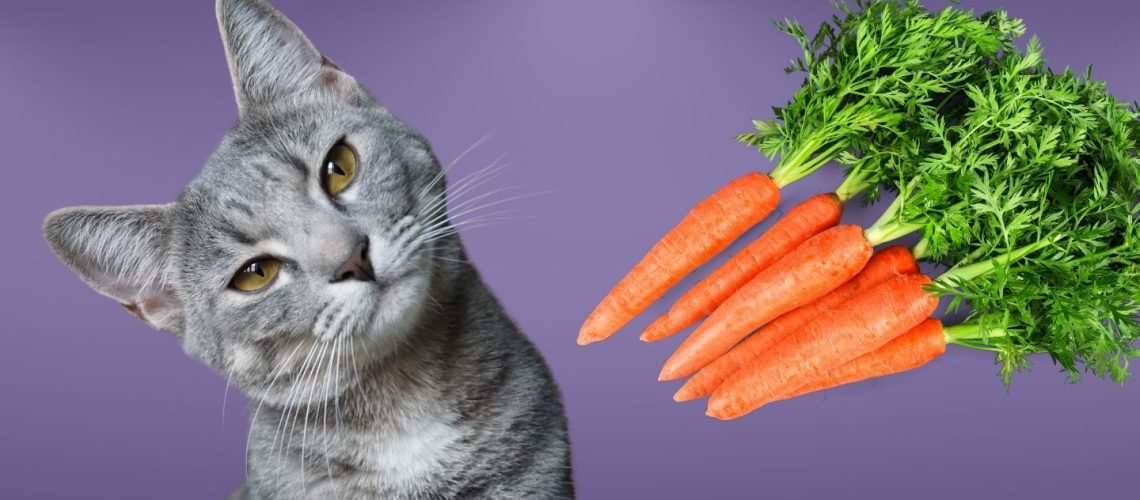
Can Cats Eat Carrots? A Comprehensive Guide

Curious about whether or not cats can eat carrots? Find out in this comprehensive article, which covers the potential benefits and risks of including this veggie in your feline friend's diet.
Can Cats Eat carrots?

Cats can indeed eat carrots, but there are some important factors to consider beforehand. Carrots offer nutritional benefits for cats, such as vitamins, minerals, and fiber, although not all felines may appreciate the taste of this vegetable. Following the proper preparation and serving size guidelines can help safely incorporate carrots into your cat's diet.

Nutritional Benefits of Carrots for Cats

Carrots are a nutritious treat for cats, providing several important vitamins and minerals, including:

Vitamin A

Carrots are rich in vitamin A, which helps support good vision, a healthy immune system, and overall growth and development.

Vitamin C

Vitamin C is an antioxidant that can help boost your cat's immune system and general health.

Vitamin K

Vitamin K plays a key role in blood clotting, which can be essential in case of injury or surgery.

Potassium

This mineral helps maintain proper electrolyte balance and supports healthy nerve function in cats.

Carrots also have a high fiber content, which can be beneficial for cats suffering from digestive issues, and contain antioxidants that promote overall health.

Preparing Carrots for Cats

To safely feed carrots to your cat, follow these preparation steps:

  1. Wash and peel the carrots to remove any dirt or pesticides.
  2. Cut the carrots into small, bite-sized pieces to minimize choking hazards.
  3. Cook the carrots using one of the following methods:
  • Boiling
  • Steaming
  • Baking

Avoid adding any additives or seasonings, as these can be harmful to cats.

Serving Size and Frequency for Cats

Carrots should be offered as a small treat rather than a main meal. The appropriate serving size for cats is about a quarter of a small carrot or a few small pieces. Offer carrots occasionally and balance them with other treats and foods.

Risks of Feeding Carrots to Cats

Some potential risks associated with feeding carrots to cats include:

  • Choking hazards: Ensure that carrots are cut into small, manageable pieces to avoid choking.
  • Allergic reactions: Monitor for signs of an allergy, such as itchiness, swelling, or difficulty breathing.
  • Digestive issues: Overconsumption of carrots can lead to bloating, gas, and diarrhea.
  • Weight gain and nutrient imbalances: Overfeeding any treat, including carrots, can contribute to weight gain and nutrient imbalances.

Alternatives to Carrots for Cats

If your cat isn't fond of carrots, consider offering other safe vegetable options, such as:

  • Green beans
  • Broccoli
  • Zucchini

There are also many commercial cat treats available that contain vegetable ingredients. However, always avoid feeding your cat any human foods that are toxic to them, such as onions, garlic, and grapes.

How to Encourage Your Cat to Try Carrots

Introduce carrots gradually to your cat's diet by:

  • Offering small pieces mixed with their favorite treat or food.
  • Trying different cooking methods to find one your cat prefers.

Consult with Your Veterinarian

It's essential to consult with your veterinarian about any dietary changes for your cat. A vet can help tailor your cat's diet to their specific needs and monitor their health, making adjustments as necessary.

Conclusion

Feeding carrots to cats can provide valuable health benefits as long as they are offered in moderation and prepared correctly. Consult with your veterinarian to ensure carrots are a suitable addition to your cat's diet, and monitor for any adverse reactions. With proper care, carrots can be a nutritious and enjoyable occasional treat for your feline friend.

Medically Reviewed by Ivana Crnec, DVM

Ivana is a DVM with a specialty in domestic carnivores – dogs & cats. She is passionate about educating pet owners and raising awareness about pet health.

You Might Also Be Interested In:

Can Dogs Eat pecans?
Toxic to Dogs
Ivana Crnec, DVM

Can Dogs Eat Pecans?

Pecans may be a tasty snack for humans, but can dogs enjoy them too? Find out if it’s safe for your furry friend to indulge in this nutty treat.

Read More »
Can Dogs Eat cabbage?
Safe for Dogs
Ivana Crnec, DVM

Can Dogs Eat Cabbage?

Can dogs eat cabbage? Find out the answer in this comprehensive article that explores the potential health benefits and risks of this leafy green vegetable for your furry friend.

Read More »
Can Dogs Eat jasmine rice?
Safe for Dogs
Ivana Crnec, DVM

Can Dogs Eat Jasmine Rice?

Can dogs eat jasmine rice? Find out the answer in this comprehensive article, which discusses the benefits and risks of feeding jasmine rice to dogs, as well as appropriate portion sizes.

Read More »
Can Dogs Eat donuts?
Dangerous to Dogs
Ivana Crnec, DVM

Can Dogs Eat Donuts?

Is it okay to give your dog a donut? Find out the answer in this article and learn why donuts are not a healthy option for dogs as part of their regular diet.

Read More »
Can Dogs Eat candy?
Toxic to Dogs
Ivana Crnec, DVM

Can Dogs Eat Candy?

Did you know that candy can be dangerous for dogs? Find out what you should do if your furry friend accidentally eats some and how to keep them safe in our comprehensive article.

Read More »
Can Dogs Eat rice cakes?
Safe for Dogs
Ivana Crnec, DVM

Can Dogs Eat Rice Cakes?

Can dogs eat rice cakes? Find out in this article, which covers the potential benefits and risks of feeding rice cakes to dogs, as well as the recommended serving size.

Read More »
Can Dogs Eat apple juice?
Dangerous to Dogs
Ivana Crnec, DVM

Can Dogs Drink Apple Juice?

Is apple juice safe for dogs to drink? Find out in this comprehensive article, which covers the potential dangers and offers safe alternatives for your furry friend.

Read More »
Can Dogs Eat blue cheese?
Dangerous to Dogs
Ivana Crnec, DVM

Can Dogs Eat Blue Cheese?

Is blue cheese safe for dogs to eat? Find out in our comprehensive article, which covers the potential risks and healthy alternatives for your furry friend.

Read More »
Can Dogs Eat mulberries?
Safe for Dogs
Ivana Crnec, DVM

Can Dogs Eat Mulberries?

Mulberries may be tasty treats for humans, but can they be safely fed to dogs? Find out in our comprehensive article on whether dogs can eat mulberries, including information on portion size and potential risks.

Read More »
Can Dogs Eat banana chips?
Not Recommended for Dogs
Ivana Crnec, DVM

Can Dogs Eat Banana Chips?

Dogs may be able to eat banana chips, but is it really a good idea? Read on to learn more about the potential dangers and benefits of this treat for your furry friend.

Read More »
Can Dogs Eat french fries?
Dangerous to Dogs
Ivana Crnec, DVM

Can Dogs Eat French Fries?

Is it okay for dogs to eat french fries? Find out in this comprehensive article, which covers why french fries are not good for dogs and provides healthy alternatives. Plus, learn about portion size for dogs.

Read More »
Can Dogs Eat dates?
Not Recommended for Dogs
Ivana Crnec, DVM

Can Dogs Eat Dates?

Can dogs eat dates? Read on to learn about the potential benefits and risks of feeding dates to your furry friend, as well as appropriate portion sizes.

Read More »
Can Dogs Eat cod?
Safe for Dogs
Ivana Crnec, DVM

Can Dogs Eat Cod?

Dogs love to chow down on all sorts of delicious treats, but can they enjoy cod? Find out if this lean fish is safe for man’s best friend, and learn about the potential risks and benefits.

Read More »
Can Dogs Eat garlic bread?
Toxic to Dogs
Ivana Crnec, DVM

Can Dogs Eat Garlic Bread?

Is garlic bread safe for dogs to eat? Find out in our comprehensive article, including information on portion size and what to do if your dog has eaten garlic bread.

Read More »