
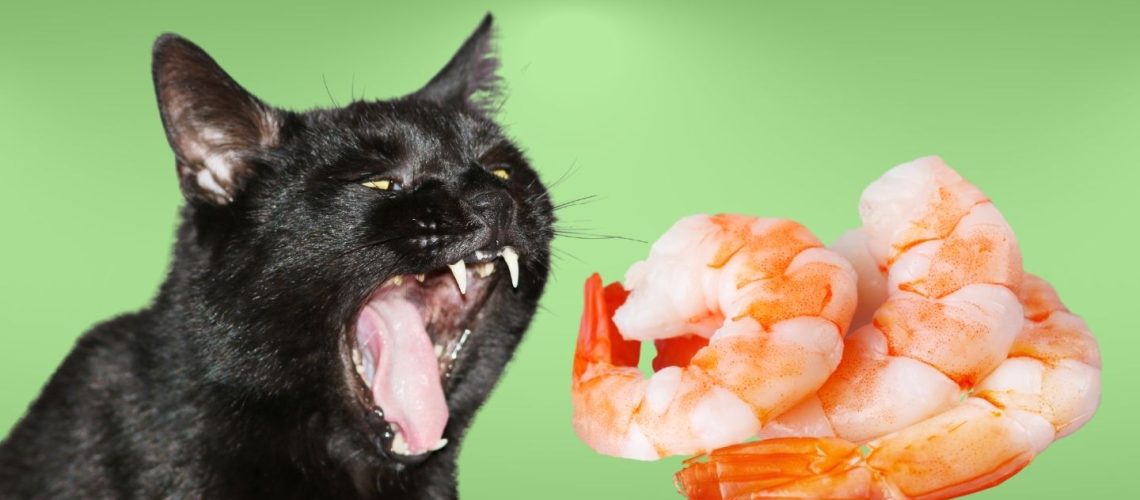
Can Cats Eat Shrimp? The Surprising Truth

Cats are known for their love of meat, but can they enjoy the tasty treat of shrimp? Find out in this comprehensive article on whether shrimp is safe for your feline friend.
Can Cats Eat shrimp?

Yes, cats can eat shrimp. However, it should only be given to them in moderation and as an occasional treat, not as a regular part of their diet. Shrimp is high in protein and can be a good source of nutrition for cats, but it should not be the main source of protein in their diet.

Nutritional Benefits of Shrimp for Cats

Shrimp is a good source of protein for cats. It is also low in fat, which is important for maintaining a healthy weight. In addition, shrimp contains essential amino acids that are important for a cat's muscle development and overall health. Shrimp also provides vitamins and minerals, such as vitamin B12, niacin (B3), and selenium, which are essential for a cat's overall well-being.

Feeding Guidelines for Shrimp

When it comes to feeding shrimp to cats, it's important to remember that moderation is key. Shrimp should only be given to cats as an occasional treat and should not make up more than 10% of their daily caloric intake. It's also important to make sure that the shrimp is well-cooked (ideally baked and not fried), as raw shrimp can be harmful to cats. Monitor your cat's reaction to the shrimp to ensure they are not experiencing any intolerance or allergies.

Potential Dangers of Feeding Shrimp to Cats

There are several potential dangers to consider when feeding shrimp to cats:

Raw shrimp and bacteria

Raw shrimp may be contaminated with bacteria that can be harmful to cats. Make sure to cook the shrimp thoroughly to kill any harmful bacteria.

Shrimp shells and digestion

Cats should not eat shrimp shells, as they can be difficult for them to digest and can cause intestinal blockages. It's important to remove the shells from the shrimp before giving it to your cat.

Allergies and intolerance

Some cats may be allergic or intolerant to shrimp, which could cause vomiting, diarrhea, or skin irritations. If you notice any adverse reactions, discontinue feeding shrimp to your cat and consult a veterinarian.

Overfeeding and weight problems

Overfeeding shrimp can lead to weight gain, which can be detrimental to a cat's health. Maintain moderation when offering shrimp treats to your feline friend.

Alternatives to Shrimp for Cats

If you're looking for alternatives to shrimp, consider other seafood options, such as cooked salmon, cooked whitefish or cooked tuna. Alternatively, you may also choose from non-seafood protein sources like cooked chicken or turkey or provide them with commercial cat treats or homemade treats made from cat-friendly ingredients.

Preparing Shrimp for Cats

To properly prepare shrimp for your cat, follow these steps:

  1. Cook the shrimp thoroughly, either by boiling, baking, or sauteing.
  2. Remove the shells and devein the shrimp.
  3. Cut the shrimp into small, bite-sized pieces.
  4. Serve the shrimp plain, without any seasonings or sauces.
  5. Store any leftover shrimp in the refrigerator and use within 1-2 days.

Monitoring Your Cat's Health

Keep an eye on your cat's health when introducing new foods, such as shrimp:

  1. Watch for signs of intolerance or allergies, including vomiting, diarrhea, or skin irritations.
  2. Consult with a veterinarian if you have concerns or questions about your cat's diet.
  3. Adjust your cat's diet as needed based on their age, weight, and health status.
  4. Ensure regular checkups with a veterinarian to maintain optimal health.

Conclusion

In conclusion, cats can eat shrimp as an occasional treat. However, it should only be given to them in moderation and as a part of a well-balanced diet. Make sure to remove the shells and cook the shrimp thoroughly before giving it to your cat. By following these guidelines and monitoring your cat's health, you can ensure that your cat stays healthy and happy.


Medically Reviewed by Ivana Crnec, DVM

Ivana is a DVM with a specialty in domestic carnivores – dogs & cats. She is passionate about educating pet owners and raising awareness about pet health.

You Might Also Be Interested In:

Can Dogs Eat pecans?
Toxic to Dogs
Ivana Crnec, DVM

Can Dogs Eat Pecans?

Pecans may be a tasty snack for humans, but can dogs enjoy them too? Find out if it’s safe for your furry friend to indulge in this nutty treat.

Read More »
Can Dogs Eat cabbage?
Safe for Dogs
Ivana Crnec, DVM

Can Dogs Eat Cabbage?

Can dogs eat cabbage? Find out the answer in this comprehensive article that explores the potential health benefits and risks of this leafy green vegetable for your furry friend.

Read More »
Can Dogs Eat jasmine rice?
Safe for Dogs
Ivana Crnec, DVM

Can Dogs Eat Jasmine Rice?

Can dogs eat jasmine rice? Find out the answer in this comprehensive article, which discusses the benefits and risks of feeding jasmine rice to dogs, as well as appropriate portion sizes.

Read More »
Can Dogs Eat donuts?
Dangerous to Dogs
Ivana Crnec, DVM

Can Dogs Eat Donuts?

Is it okay to give your dog a donut? Find out the answer in this article and learn why donuts are not a healthy option for dogs as part of their regular diet.

Read More »
Can Dogs Eat candy?
Toxic to Dogs
Ivana Crnec, DVM

Can Dogs Eat Candy?

Did you know that candy can be dangerous for dogs? Find out what you should do if your furry friend accidentally eats some and how to keep them safe in our comprehensive article.

Read More »
Can Dogs Eat rice cakes?
Safe for Dogs
Ivana Crnec, DVM

Can Dogs Eat Rice Cakes?

Can dogs eat rice cakes? Find out in this article, which covers the potential benefits and risks of feeding rice cakes to dogs, as well as the recommended serving size.

Read More »
Can Dogs Eat apple juice?
Dangerous to Dogs
Ivana Crnec, DVM

Can Dogs Drink Apple Juice?

Is apple juice safe for dogs to drink? Find out in this comprehensive article, which covers the potential dangers and offers safe alternatives for your furry friend.

Read More »
Can Dogs Eat blue cheese?
Dangerous to Dogs
Ivana Crnec, DVM

Can Dogs Eat Blue Cheese?

Is blue cheese safe for dogs to eat? Find out in our comprehensive article, which covers the potential risks and healthy alternatives for your furry friend.

Read More »
Can Dogs Eat mulberries?
Safe for Dogs
Ivana Crnec, DVM

Can Dogs Eat Mulberries?

Mulberries may be tasty treats for humans, but can they be safely fed to dogs? Find out in our comprehensive article on whether dogs can eat mulberries, including information on portion size and potential risks.

Read More »
Can Dogs Eat banana chips?
Not Recommended for Dogs
Ivana Crnec, DVM

Can Dogs Eat Banana Chips?

Dogs may be able to eat banana chips, but is it really a good idea? Read on to learn more about the potential dangers and benefits of this treat for your furry friend.

Read More »
Can Dogs Eat french fries?
Dangerous to Dogs
Ivana Crnec, DVM

Can Dogs Eat French Fries?

Is it okay for dogs to eat french fries? Find out in this comprehensive article, which covers why french fries are not good for dogs and provides healthy alternatives. Plus, learn about portion size for dogs.

Read More »
Can Dogs Eat dates?
Not Recommended for Dogs
Ivana Crnec, DVM

Can Dogs Eat Dates?

Can dogs eat dates? Read on to learn about the potential benefits and risks of feeding dates to your furry friend, as well as appropriate portion sizes.

Read More »
Can Dogs Eat cod?
Safe for Dogs
Ivana Crnec, DVM

Can Dogs Eat Cod?

Dogs love to chow down on all sorts of delicious treats, but can they enjoy cod? Find out if this lean fish is safe for man’s best friend, and learn about the potential risks and benefits.

Read More »
Can Dogs Eat garlic bread?
Toxic to Dogs
Ivana Crnec, DVM

Can Dogs Eat Garlic Bread?

Is garlic bread safe for dogs to eat? Find out in our comprehensive article, including information on portion size and what to do if your dog has eaten garlic bread.

Read More »