
Can Dogs Drink Almond Milk? The Risks And Dangers

Is almond milk safe for dogs to drink? Find out in this comprehensive article, which covers the potential risks and what to do if your dog accidentally consumes it.
Can Dogs Drink almond milk?

Can Dogs Drink Almond Milk? A Comprehensive Guide

Almond milk has seen a surge in popularity among humans due to its numerous health benefits and as an alternative to traditional dairy products. This comprehensive guide will help you determine if almond milk is safe for your canine companion.

Introduction

Almond milk is made from ground almonds and water, providing a dairy-free alternative with several nutritional benefits for humans. But is almond milk suitable and safe for dogs? Let's discuss this in detail.

Understanding Almond Milk

What is Almond Milk?

Almond milk is made by blending almonds with water and then removing the solid remnants through a straining process. This milk alternative is a popular choice for vegetarians, vegans, and those with lactose intolerance. It contains vitamins, minerals, and healthy fats beneficial for human health.

Almond Milk vs. Cow's Milk

Compared to cow's milk, almond milk usually contains fewer calories and less saturated fat. It is also naturally lactose-free. However, it typically has a lower protein content compared to cow's milk. Almond milk is a popular choice among those with lactose intolerance, as it does not cause digestion issues related to lactose consumption.

Can Dogs Drink Almond Milk?

Almonds and Dogs

While almonds are not toxic to dogs, they can be difficult for our canine companions to digest. Dogs are not well-equipped to break down nuts, leading to potential gastrointestinal issues.

Potential Health Issues for Dogs

If a dog consumes almond milk, they may experience gastrointestinal upset, such as diarrhea and vomiting. Additionally, almond milk often contains additives like xylitol, which can be harmful to dogs, causing health issues such as hypoglycemia and liver failure.

Almond Milk Varieties and Dogs

Lactose-free, low-sugar, and low-fat almond milk options may be more suitable as occasional treats for dogs; however, it's still not recommended to make them a regular part of your dog's diet. It is essential to be cautious and observe your dog's response when offering these alternatives.

Signs of Almond Milk Intolerance in Dogs

To determine if your dog is having trouble digesting almond milk, watch for symptoms such as:

  • Vomiting
  • Diarrhea
  • Gas
  • Abdominal pain
  • Lethargy

It is crucial to observe your dog for any signs of distress after consuming almond milk.

What to Do If Your Dog Drinks Almond Milk

Monitoring Your Dog

If your dog accidentally drinks almond milk, monitor them closely for any signs of gastrointestinal issues. Keep an eye out for symptoms like vomiting, diarrhea, or lethargy, and contact your veterinarian if these symptoms arise.

Seeking Veterinary Care

Depending on the severity of the situation, a veterinarian may recommend treatments, such as administering activated charcoal to help absorb toxins in your dog's system. It's crucial to consult with a veterinarian before giving your dog any medications.

Preventing Almond Milk Consumption in Dogs

Here are some tips to prevent accidental almond milk consumption by your dog:

  • Store almond milk and other potentially harmful foods out of your dog's reach
  • Educate family members and visitors about the potential dangers of giving dogs almond milk or any foods containing almond milk

Conclusion

In conclusion, almond milk is not recommended for dogs. While lactose-free, low-sugar, and low-fat almond milk varieties can be given as occasional treats, it's essential to monitor your dog for any signs of gastrointestinal distress and consult with a veterinarian if necessary. Overall, it is best to stick to dog-specific treats and foods to ensure your furry friend's health and well-being.
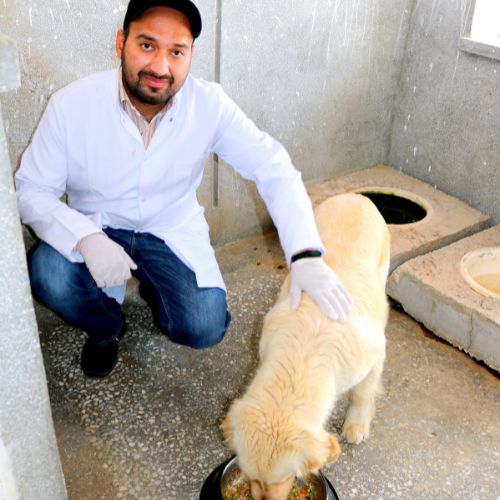
Medically Reviewed by Ibrar Ahmed, DVM

Dr. Ibrar Ahmed is a DVM (Doctor of Veterinary Medicine) who took a Master of Philosophy in Animal Nutrition. He is looking after 2 dog shelters and a well-established dog research center in terms of food and care since 2019.

You Might Also Be Interested In:

Can Dogs Eat pecans?
Toxic to Dogs
Ivana Crnec, DVM

Can Dogs Eat Pecans?

Pecans may be a tasty snack for humans, but can dogs enjoy them too? Find out if it’s safe for your furry friend to indulge in this nutty treat.

Read More »
Can Dogs Eat cabbage?
Safe for Dogs
Ivana Crnec, DVM

Can Dogs Eat Cabbage?

Can dogs eat cabbage? Find out the answer in this comprehensive article that explores the potential health benefits and risks of this leafy green vegetable for your furry friend.

Read More »
Can Dogs Eat jasmine rice?
Safe for Dogs
Ivana Crnec, DVM

Can Dogs Eat Jasmine Rice?

Can dogs eat jasmine rice? Find out the answer in this comprehensive article, which discusses the benefits and risks of feeding jasmine rice to dogs, as well as appropriate portion sizes.

Read More »
Can Dogs Eat donuts?
Dangerous to Dogs
Ivana Crnec, DVM

Can Dogs Eat Donuts?

Is it okay to give your dog a donut? Find out the answer in this article and learn why donuts are not a healthy option for dogs as part of their regular diet.

Read More »
Can Dogs Eat candy?
Toxic to Dogs
Ivana Crnec, DVM

Can Dogs Eat Candy?

Did you know that candy can be dangerous for dogs? Find out what you should do if your furry friend accidentally eats some and how to keep them safe in our comprehensive article.

Read More »
Can Dogs Eat rice cakes?
Safe for Dogs
Ivana Crnec, DVM

Can Dogs Eat Rice Cakes?

Can dogs eat rice cakes? Find out in this article, which covers the potential benefits and risks of feeding rice cakes to dogs, as well as the recommended serving size.

Read More »
Can Dogs Eat apple juice?
Dangerous to Dogs
Ivana Crnec, DVM

Can Dogs Drink Apple Juice?

Is apple juice safe for dogs to drink? Find out in this comprehensive article, which covers the potential dangers and offers safe alternatives for your furry friend.

Read More »
Can Dogs Eat blue cheese?
Dangerous to Dogs
Ivana Crnec, DVM

Can Dogs Eat Blue Cheese?

Is blue cheese safe for dogs to eat? Find out in our comprehensive article, which covers the potential risks and healthy alternatives for your furry friend.

Read More »
Can Dogs Eat mulberries?
Safe for Dogs
Ivana Crnec, DVM

Can Dogs Eat Mulberries?

Mulberries may be tasty treats for humans, but can they be safely fed to dogs? Find out in our comprehensive article on whether dogs can eat mulberries, including information on portion size and potential risks.

Read More »
Can Dogs Eat banana chips?
Not Recommended for Dogs
Ivana Crnec, DVM

Can Dogs Eat Banana Chips?

Dogs may be able to eat banana chips, but is it really a good idea? Read on to learn more about the potential dangers and benefits of this treat for your furry friend.

Read More »
Can Dogs Eat french fries?
Dangerous to Dogs
Ivana Crnec, DVM

Can Dogs Eat French Fries?

Is it okay for dogs to eat french fries? Find out in this comprehensive article, which covers why french fries are not good for dogs and provides healthy alternatives. Plus, learn about portion size for dogs.

Read More »
Can Dogs Eat dates?
Not Recommended for Dogs
Ivana Crnec, DVM

Can Dogs Eat Dates?

Can dogs eat dates? Read on to learn about the potential benefits and risks of feeding dates to your furry friend, as well as appropriate portion sizes.

Read More »
Can Dogs Eat cod?
Safe for Dogs
Ivana Crnec, DVM

Can Dogs Eat Cod?

Dogs love to chow down on all sorts of delicious treats, but can they enjoy cod? Find out if this lean fish is safe for man’s best friend, and learn about the potential risks and benefits.

Read More »
Can Dogs Eat garlic bread?
Toxic to Dogs
Ivana Crnec, DVM

Can Dogs Eat Garlic Bread?

Is garlic bread safe for dogs to eat? Find out in our comprehensive article, including information on portion size and what to do if your dog has eaten garlic bread.

Read More »