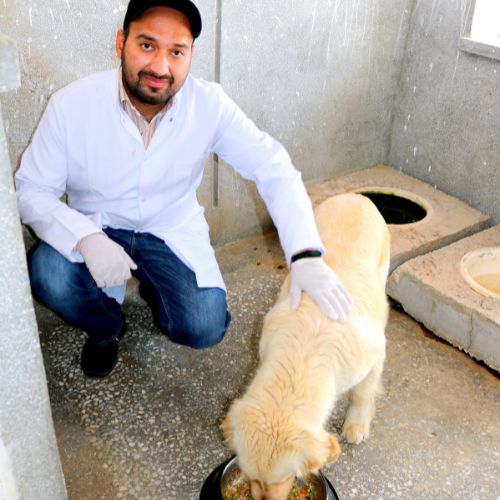

Yes, dogs can eat apple peel in moderation. Apple peels contain beneficial vitamins, minerals, antioxidants, and fiber that can improve a dog's overall health. However, it is essential to monitor your dog's reaction and consult with a veterinarian before introducing new foods to their diet.
Introduction
Overview of Apple Peel and its Nutritional Content
Apple peels are packed with various nutrients, such as vitamins A, K, and C, and minerals like potassium and calcium. The peel also contains antioxidants and dietary fiber that can benefit a dog's health.
Common Misconceptions about Dogs and Apple Peel
Many people believe that dogs cannot eat apple peel because it contains harmful substances or causes stomach upset. While there are potential risks associated with feeding apple peel to dogs, it is generally safe when given in moderation and properly prepared.
Benefits of Apple Peel for Dogs
Vitamins and Minerals in Apple Peel
Vitamin A for Eye Health
Apple peel contains vitamin A, which is essential for maintaining eye health and vision in dogs.
Vitamin K for Blood Clotting
Vitamin K found in apple peels plays a crucial role in blood clotting and bone health in dogs.
Vitamin C for Immune System Support
The presence of vitamin C in apple peel helps support a dog's immune system and promotes overall health.
Antioxidants in Apple Peel
Quercetin for Anti-Inflammatory Effects
Apple peels are rich in quercetin, an antioxidant that possesses anti-inflammatory properties and can help reduce inflammation in dogs.
Flavonoids for Heart Health
Flavonoids present in apple peels contribute to heart health and may help reduce the risk of heart disease in dogs.
Fiber Content and Digestive Health
Soluble Fiber for Improved Digestion
Apple peels contain soluble fiber that can aid in digestion and promote overall gastrointestinal health.
Insoluble Fiber for Regular Bowel Movements
Insoluble fiber found in apple peels can help regulate bowel movements and prevent constipation in dogs.
Potential Risks and Precautions
Stomach Upset and Diarrhea
Causes and Symptoms
Feeding too much apple peel to dogs can cause stomach upset and diarrhea due to the high fiber content.
Prevention and Treatment
To prevent stomach issues, it is essential to feed apple peel in moderation and monitor your dog's reaction to this new food.
Apple Allergies in Dogs
Identifying Allergies in Dogs
Some dogs may have allergies to apples, which can cause itching, skin irritation, or gastrointestinal issues.
Alternative Fruits for Dogs with Apple Allergies
If your dog experiences allergic reactions to apples, consider feeding them alternative fruits like blueberries or bananas.
Pesticides on Apple Peel
Importance of Washing Fruits
Before feeding apple peel to dogs, make sure to wash the fruit thoroughly to remove any pesticides.
Organic vs. Non-Organic Apples
Choosing organic apples can help reduce the risk of exposing your dog to harmful pesticides.
Preparing and Serving Apple Peel for Dogs
Removing the Core and Seeds
Toxicity of Apple Seeds
Apple seeds contain small amounts of cyanide, making them toxic to dogs. Therefore, core and remove the seeds before feeding the apple peel to your pet.
Proper Disposal of Apple Core
Dispose of the apple core and seeds properly to avoid accidental ingestion by your dog.
Portion Guidelines for Different Dog Sizes
Small Dogs
Give only a small piece of apple peel to small dogs or those with sensitive stomachs.
Medium Dogs
For medium-sized dogs, a thumb-sized portion of apple peel is appropriate.
Large Dogs
Large dogs can consume a slightly larger portion of apple peel, but it is still crucial to monitor their reaction.
Monitoring Your Dog's Reaction
Signs of a Positive Reaction
A positive reaction to apple peel may include eagerly eating the treat and showing no signs of discomfort.
Signs of a Negative Reaction
A negative reaction may involve refusal to eat, stomach upset, or signs of allergies such as itching or skin irritation.
Consultation with a Veterinarian
Importance of Professional Guidance
Before introducing new foods to your dog's diet, it is important to consult with a veterinarian for professional guidance.
When to Seek Veterinary Advice
Seek veterinary advice if your dog experiences a negative reaction to apple peel or if you have concerns about their diet and nutrition.
Conclusion
Recap of Benefits and Risks
Apple peel can be a nutritious and delicious treat for dogs when fed in moderation. Benefits like vitamins, minerals, antioxidants, and dietary fiber can provide positive impacts on their overall health. However, it is essential to monitor your dog's reaction and take precautions against potential risks, such as stomach upset and allergies.
Final Thoughts on Feeding Apple Peel to Dogs
While apple peel can be a healthy snack for dogs, always consult with your veterinarian before introducing new foods to their diet. Remember to practice moderation and monitor your dog's response to ensure their well-being.