
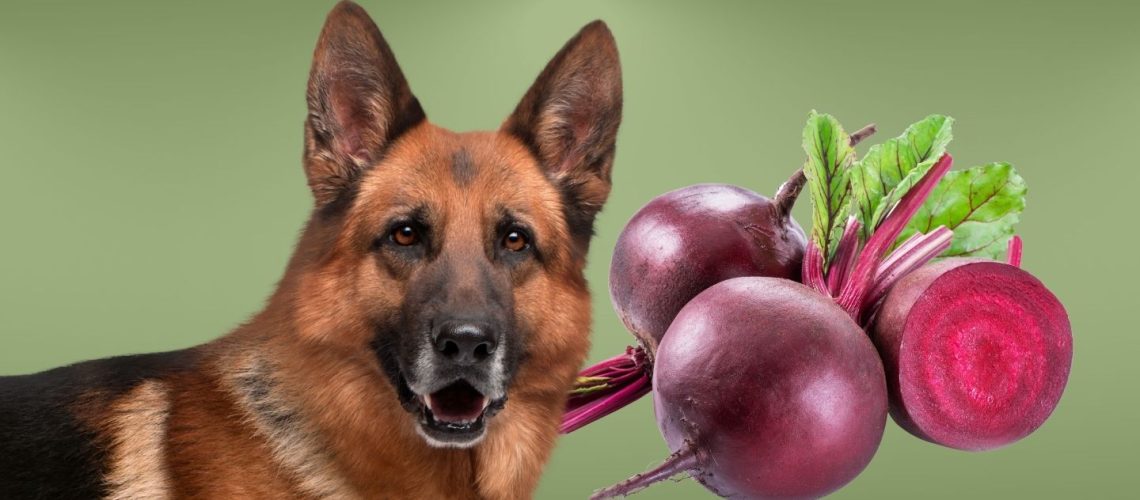
In short, yes, dogs can eat beets, but there are certain precautions that pet owners must take. Beets provide multiple health benefits, being a good source of essential vitamins, minerals, and fiber, and can support overall well-being. However, feeding beets to dogs should be done with caution, as beets also contain oxalates, which can pose a risk for some dogs, particularly those prone to kidney or bladder stones.
Nutritional Benefits of Beets for Dogs
Vitamins and Minerals
Beets are a good source of essential vitamins and minerals that contribute to your dog's overall health. These include:
- Vitamin C: Boosts the immune system and supports healthy skin and coat.
- Vitamin B6: Aids in brain development and supports the nervous system.
- Manganese: Helps with bone and joint health.
- Potassium: Maintains proper muscle function and supports overall heart health.
Fiber
Beets are also high in fiber, which can help support your dog's digestive health and aid in weight management.
Potential Risks of Feeding Beets to Dogs
Oxalates
As mentioned earlier, beets contain oxalates, which can bind to calcium in your dog's body and cause kidney or bladder stones, especially in dogs that are prone to these issues. It's important to be mindful of this risk and consult with your veterinarian if you have concerns.
Allergic Reactions
Some dogs may have an allergic reaction to beets, resulting in symptoms such as itching, skin redness, or gastrointestinal upset. If you suspect your dog is experiencing an allergic reaction, discontinue feeding beets and consult your veterinarian.
Gastrointestinal Upset
Feeding raw or large amounts of beets can cause gastrointestinal upset in some dogs, including diarrhea or vomiting. Introduce beets slowly and in small, cooked portions to minimize this risk.
Preparing Beets for Your Dog
Cooking Methods
Lightly cooking beets can help improve their digestibility for dogs. Suitable cooking methods include:
- Boiling
- Steaming
- Roasting
Removing the Skin
It's best to remove the skin from beets before feeding them to your dog, as the skin can be difficult for dogs to digest.
Alternatives to Fresh Beets
If your dog enjoys the taste of beets but you're concerned about the risks associated with feeding fresh beets, consider these alternatives:
- Beet pulp: A byproduct of the sugar beet industry, beet pulp is a safe and beneficial source of fiber for dogs.
- Beet treats: Some commercial dog treats include beet as an ingredient, providing the nutritional benefits in a controlled and safe manner.
Frequently Asked Questions
Can dogs eat beet greens?
Although beet greens are not toxic to dogs, they are high in oxalates and should be avoided, especially for dogs prone to kidney or bladder stones.
Can dogs eat pickled beets?
It is not recommended to feed pickled beets to dogs, as they contain high amounts of sodium and other additives that can be harmful to your dog's health.
Summary
In conclusion, beets can be a beneficial and nutritious addition to your dog's diet when fed in moderation and prepared properly. Be mindful of the potential risks associated with feeding beets and consult with your veterinarian to determine if beets are a suitable addition to your dog's diet.