
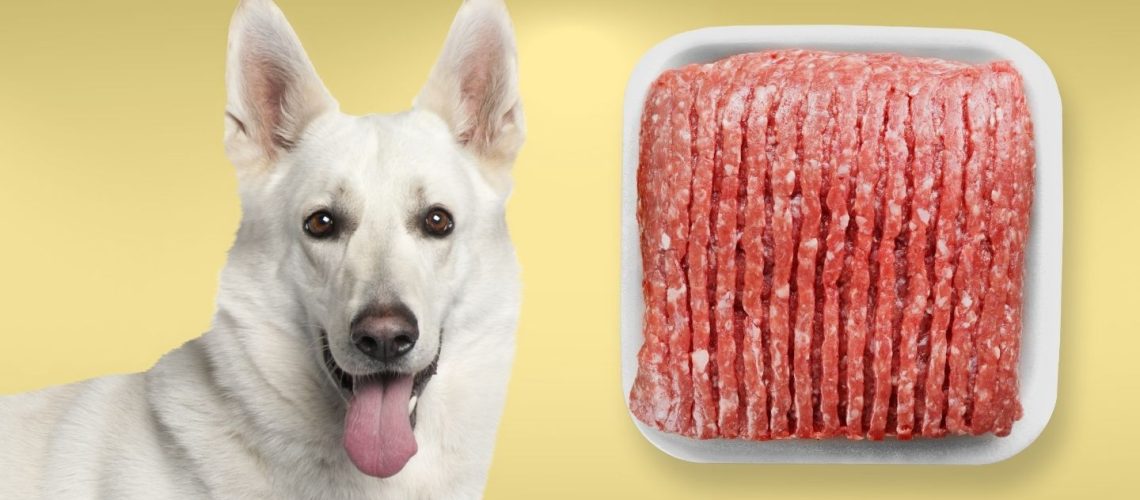
Yes, dogs can safely eat ground beef as part of a well-balanced diet. However, it is important to feed it to them in moderation and to make sure it is cooked thoroughly to avoid any potential bacterial contamination. Ground beef can provide essential nutrients for your dog, but considering the appropriate portions and incorporating it with other sources of protein, vegetables, and grains are essential to maintaining a healthy diet for your furry friend.
Nutritional Benefits of Ground Beef for Dogs
Protein content and its importance
Ground beef is a good source of protein, which is vital in maintaining healthy muscles and body tissues in dogs. Protein also provides energy and supports their immune system.
Essential amino acids
In addition to protein, ground beef contains essential amino acids that are necessary for your dog's overall health and well-being. Amino acids are the building blocks of protein, and your dog needs them for proper growth, development, and body function.
Vitamins and minerals
Ground beef is a source of important vitamins and minerals, including:
Iron
Iron is necessary for red blood cell production, which helps to provide oxygen to the body and maintain energy levels.
Zinc
Zinc is essential for maintaining a healthy immune system, skin, and coat.
Vitamin B12
Vitamin B12 is important for proper neurological function and cell growth.
Healthy fats
Ground beef can provide your dog with a healthy source of fat, necessary to maintain proper body function, support a healthy weight, and provide them with energy.
Potential Risks of Feeding Ground Beef to Dogs
Overfeeding and weight gain
Feeding your dog too much ground beef can lead to weight gain and obesity-related health problems. It is important to control portion sizes and ensure that ground beef is fed in moderation.
Pancreatitis
High-fat ground beef can increase the risk of pancreatitis, an inflammation of the pancreas. It can be life-threatening and cause long-term health issues in your furry friend.
Bacterial contamination
Raw or undercooked ground beef can contain harmful bacteria, such as E. coli and salmonella, which can be dangerous for dogs. Make sure to cook ground beef thoroughly to destroy any bacteria.
Choosing the right ground beef
When purchasing ground beef for your dog, consider opting for lean over fatty ground beef to avoid excess fats that can lead to health problems. Organic ground beef may contain fewer chemicals and additives, making it a healthier option for your pet.
Preparing Ground Beef for Dogs
Cooking methods
To prepare ground beef for your dog, you can use methods such as:
Boiling
Boiling ground beef can help remove excess fat, making it a healthier option.
Pan-frying
If you prefer to pan-fry ground beef, use minimal oil to avoid adding extra fat.
Baking
Baking ground beef is a convenient method if you are making large batches of homemade dog food.
Avoiding added ingredients
When preparing ground beef for your dog, avoid including ingredients that can be harmful, such as:
Salt
Excess salt can lead to dehydration and high blood pressure.
Seasonings and spices
Avoid adding seasonings or spices that can cause gastrointestinal upset.
Onions and garlic
Onions and garlic are toxic to dogs and can cause anemia and other health problems.
Portion Size
Factors influencing portion size
Consider the following factors when determining portion size for your dog:
Size of the dog
As a general rule, small dogs should be given no more than a tablespoon of ground beef per day, while larger dogs can be given up to a quarter-pound daily.
Activity level
More active dogs may require slightly larger portions, while less active dogs should be given smaller portions to avoid weight gain.
Age
Puppies may require smaller portions, depending on their developmental stage and size.
Other dietary factors
If your dog consumes other sources of protein and nutrients, adjust ground beef portions accordingly.
Adjusting portion size over time
Consult with your veterinarian to establish the best portion size based on your dog's individual needs and make adjustments as needed.
Incorporating Ground Beef into Your Dog's Diet
Mixing with other protein sources
Alternate feeding ground beef with other sources of protein, such as chicken, turkey, or fish, to provide your dog with a diverse array of nutrients.
Adding vegetables and grains
Mix ground beef with dog-safe vegetables and grains, such as sweet potatoes, carrots, or rice, to create a well-balanced meal for your dog.
Homemade dog food recipes
Try incorporating ground beef into homemade dog food recipes, which can allow for greater control over the quality of ingredients and your dog's nutritional intake.
Monitoring Your Dog's Health
Signs of a balanced diet
Look out for a healthy weight, shiny coat, bright eyes, and good energy levels to determine whether your dog is receiving a balanced diet.
When to consult your veterinarian
If you notice changes in your dog's health or weight, consult your veterinarian immediately for guidance.
Frequently Asked Questions
Can puppies eat ground beef?
Yes, but puppies should eat smaller portions, and the beef should be cooked thoroughly and free of additives.
Can dogs eat raw ground beef?
It is not recommended due to the risk of bacterial contamination, such as E. coli and salmonella. Always cook ground beef before feeding it to your dog.
How often can I feed my dog ground beef?
Ground beef can be fed in moderation as part of a well-balanced diet. Consult your veterinarian for specific recommendations based on your dog's individual needs.
Conclusion
In conclusion, ground beef can be a safe and nutritious addition to your dog's diet if fed in moderation and cooked thoroughly. Consult with your veterinarian before making any changes to your dog's diet to ensure proper balance and nutritional intake.