
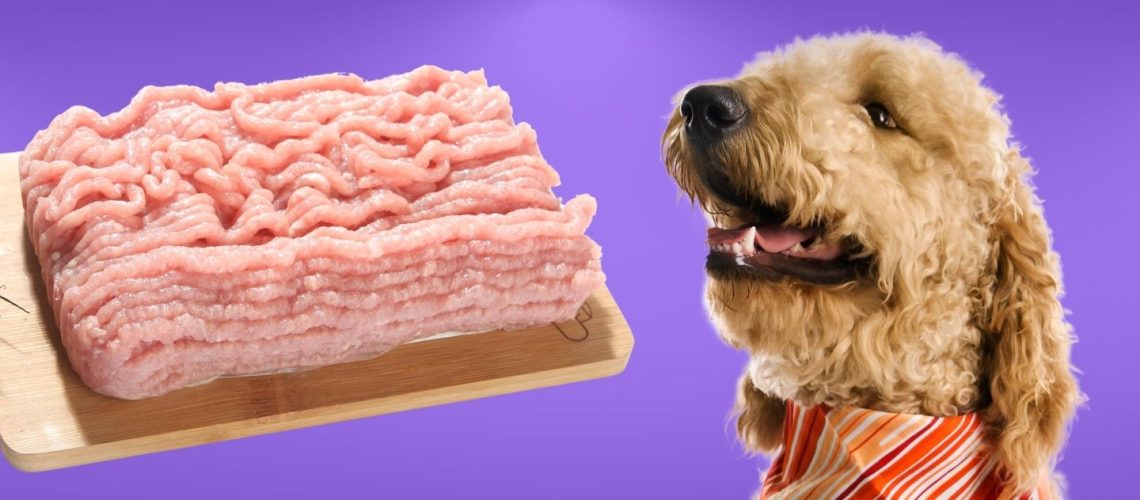
Yes, dogs can eat ground turkey. In fact, turkey is a healthy protein option for dogs as it is lean and provides essential amino acids. However, it should be given to dogs in moderation and as part of a balanced diet. In this article, we'll discuss why ground turkey can be a good protein source for dogs, how to incorporate it into their diet, and precautionary measures to ensure your dog stays healthy.
Why ground turkey as a protein source for dogs?
Turkey is a lean meat that is low in fat and rich in essential amino acids, which are the building blocks of proteins necessary for your dog's overall health. Additionally, turkey is easy to digest, making it an excellent option for dogs with sensitive stomachs or food allergies.
Nutritional benefits of ground turkey for dogs
Ground turkey is packed with nutrients that contribute to your dog's overall health, including:
- High-quality protein for muscle growth and maintenance
- Essential amino acids for tissue repair and immune system health
- Vitamins and minerals, such as B vitamins, zinc, and selenium
Common misconceptions about dogs and turkey
One common misconception is that dogs should not eat turkey because it contains tryptophan, an amino acid that can cause drowsiness in humans. However, tryptophan is not harmful to dogs, and they need it in their diet for proper neurological function.
Ground Turkey in a Dog's Diet
Incorporating ground turkey in homemade dog food recipes
Ground turkey can be a primary protein source in homemade dog food recipes. When planning your dog's meal, ensure you include a variety of other nutritious ingredients, such as vegetables, whole grains, and healthy fats.
Using ground turkey as a treat or training reward
Offering small amounts of cooked ground turkey as a treat or training reward can be an excellent way to motivate and bond with your dog. Be mindful of portion sizes and not exceeding the 10% treat rule to maintain your dog's balanced diet.
Ground turkey meal options for dogs with dietary restrictions
For dogs with specific dietary restrictions or allergies to other common protein sources like chicken or beef, ground turkey can be an ideal alternative.
Preparing and Storing Ground Turkey for Dogs
Proper cooking techniques for ground turkey
To safely prepare ground turkey for your dog, cook it thoroughly to kill any bacteria, reaching an internal temperature of 165°F (74°C). Serve it plain without any added seasonings, oils, or spices that could be harmful to your pet.
Storing and reheating ground turkey safely
Store cooked ground turkey in an airtight container in the refrigerator for up to 4 days. When reheating, ensure it is heated through to prevent any bacterial growth.
Avoiding harmful additives and spices
Never add salt, garlic, onions, or other seasonings that could be toxic to your dog when preparing ground turkey.
Potential Risks and Side Effects of Ground Turkey for Dogs
Allergic reactions and food sensitivities
Some dogs may develop an allergy or sensitivity to turkey. Introduce ground turkey gradually and look for signs of gastrointestinal distress or skin irritations.
Bacterial contamination and foodborne illnesses
Raw or undercooked ground turkey can pose a risk of bacterial contamination, such as Salmonella. Always cook turkey thoroughly before feeding it to your dog.
Overconsumption and weight gain in dogs
Feeding too much ground turkey or treats can lead to weight gain, which can cause health issues in dogs. Stick to the 10% treat rule, and adjust your dog's meal portions accordingly.
Alternatives to Ground Turkey for Dogs
Other lean meat options for dogs
If your dog cannot eat ground turkey, consider other lean protein sources, such as ground chicken, lean beef, or fish.
Plant-based protein sources for dogs
Some dogs thrive on plant-based protein sources such as legumes, beans, and whole grains. However, consult your veterinarian before transitioning to a plant-based diet.
Store-bought dog food options containing turkey
If preparing ground turkey at home is not feasible, consider high-quality store-bought dog foods featuring turkey as a primary ingredient.
Frequently Asked Questions
Can dogs eat raw ground turkey?
No, raw ground turkey can have harmful bacteria, such as Salmonella. Always cook ground turkey thoroughly before feeding it to your dog.
Can dogs eat ground turkey with bones?
No, bones in ground turkey can splinter and cause injury or blockages in your dog's digestive system.
Is ground turkey suitable for dogs with kidney issues?
Consult your veterinarian before introducing ground turkey to a dog with kidney issues, as they may require a special diet.
Consult Your Veterinarian
When to seek professional advice
Always consult your veterinarian before making significant changes to your dog's diet or if you have concerns about their health.
Monitoring your dog's overall health and dietary needs
Your veterinarian can help guide you in creating a balanced diet plan for your dog's specific needs and monitoring their overall health.
Adjusting your dog's diet as they age or for specific health conditions
As your dog ages or develops health issues, their dietary needs may change. Your veterinarian can help determine the best options for your dog's unique circumstances.
In conclusion, ground turkey can be a healthy protein option for dogs when fed in moderation and as part of a balanced diet. Take precautions in preparing and feeding ground turkey to your dog, and always consult your veterinarian if you have concerns or questions.