
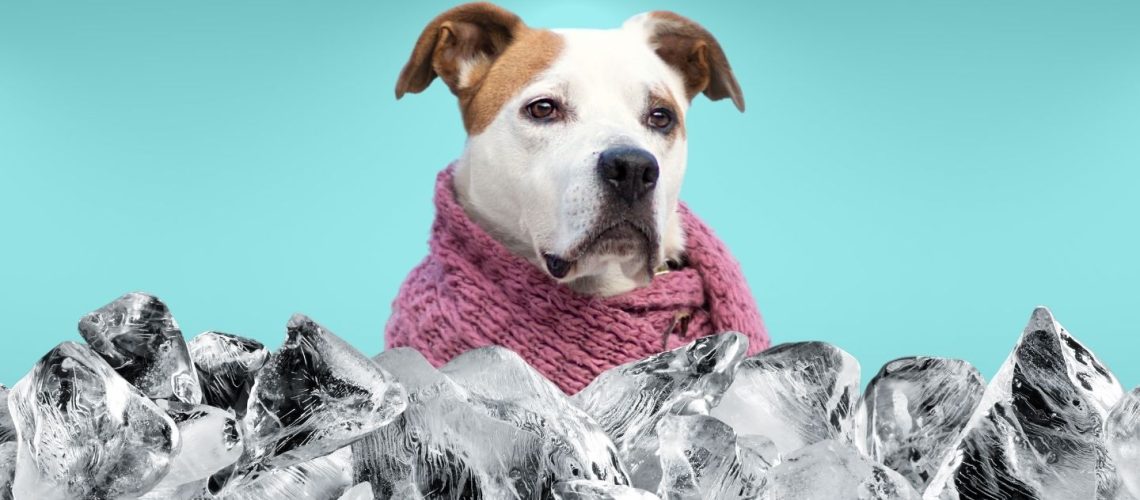
Yes, dogs can eat ice in small amounts as a treat. Ice can be a refreshing snack for dogs on a hot day, and it can also help keep them hydrated. However, it is important to monitor how much ice your dog consumes and to make sure they do not eat too much.
The Benefits of Giving Your Dog Ice
Hydration
Keeping your dog properly hydrated is essential for their overall health. Ice can help provide additional hydration, especially on hot days when dogs may need more water than usual.
Cooling Down
Ice is an excellent way for dogs to cool down on hot days. While there are other cooling methods, such as using a fan or misting your dog with water, ice can be a more enjoyable and interactive option for your canine companion.
Mental Stimulation
Giving your dog ice can also provide mental stimulation. This could include ice-based games and activities, such as hiding ice cubes in a toy or creating a "pupsicle" by freezing a mixture of dog-friendly ingredients.
Dental Health
Chewing on ice can help clean your dog's teeth and gums. However, it is crucial to take precautions to avoid dental damage, such as only offering small ice cubes that your dog will likely swallow, rather than chew.
The Risks of Giving Your Dog Too Much Ice
Gastrointestinal Issues
If your dog consumes too much ice, they may experience gastrointestinal issues such as vomiting or diarrhea. To prevent these problems, monitor their ice consumption and limit the amount they receive.
Tooth and Mouth Injuries
Chewing on large ice chunks can cause tooth fractures or damage your dog's mouth. Offering smaller ice pieces can help reduce the risk of injury.
Choking Hazard
Large ice chunks could pose a choking risk, particularly for smaller dog breeds. Make sure to provide appropriately sized ice pieces for your dog's size and breed.
Thermal Shock
Rapid temperature changes can be dangerous for dogs, leading to thermal shock. To avoid this, introduce ice treats gradually and watch for any signs of discomfort.
How Much Ice Can Dogs Safely Eat?
General Guidelines
A good rule of thumb is to give your dog no more than one or two ice cubes at a time. Adjust the amount according to your dog's size and breed. Monitor their consumption to ensure they do not eat too much.
Individual Factors
Consider your dog's age, size, and health when giving them ice. Consult with a veterinarian for personalized advice, especially if your dog has any existing health conditions.
Alternatives to Ice for Cooling Your Dog Down
Frozen Treats
Homemade or store-bought frozen treats are a great alternative to ice. Make sure these treats are healthy and safe for your dog. Avoid ingredients like chocolate or artificial sweeteners, which can be toxic for them.
Cooling Mats and Vests
Products like cooling mats and vests can help keep your dog comfortable in the heat. Choose the right product based on your dog's size and needs.
Water-Based Activities
Allowing your dog to play in water, such as a kiddie pool or a shallow stream, is another safe way to help them cool off. Always ensure they are supervised and use a life jacket if needed.
Conclusion
In conclusion, dogs can safely eat ice in small amounts as a treat. Ice can be a refreshing snack for dogs on a hot day and can also help keep them hydrated. However, it is important to monitor your dog's intake and to make sure they do not eat too much. As with any treat, it is important to give your dog ice in moderation and to monitor their health to ensure they are not experiencing any adverse effects.