
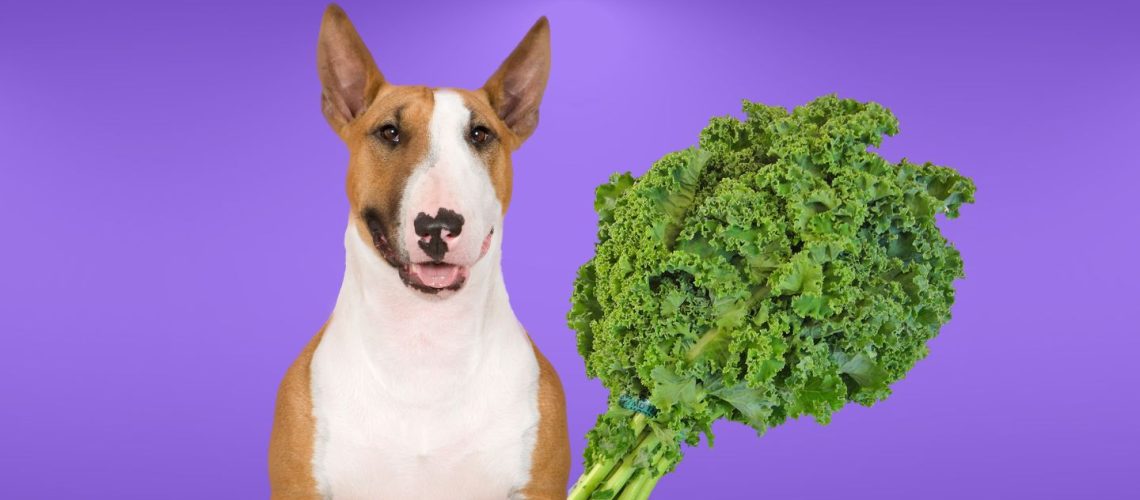
Yes, dogs can eat kale as an occasional treat in moderation. Kale is a healthy, dark, leafy veggie that is high in vitamins and nutrients, but it should not be a major part of a dog's diet. In this article, we will discuss the benefits and potential risks of feeding kale to dogs, as well as tips on how to safely incorporate this nutritious vegetable into your dog's diet.
Benefits of Kale for Dogs
Vitamin A
Kale is rich in vitamin A, which is essential for maintaining good vision, a healthy immune system, and proper growth in dogs.
Vitamin C
Vitamin C is a powerful antioxidant found in kale that can help support your dog's immune system, protect against diseases, and promote overall health.
Vitamin K
Kale contains vitamin K, which plays a vital role in blood clotting and bone health. This vitamin can help to prevent excessive bleeding and ensure proper bone development in dogs.
Calcium
Dogs need calcium for strong bones and teeth, and kale is a good source of this essential mineral. Calcium also plays a role in muscle function and nerve signaling.
Fiber
Kale contains a significant amount of fiber, which aids in healthy digestion in dogs, prevents constipation, and promotes good gut bacteria.
Potential Risks of Feeding Kale to Dogs
Oxalates and Kidney Stones
Kale contains oxalates, which can interfere with the absorption of calcium in the body. This can lead to the formation of kidney stones in dogs.
Digestive Upset
Kale's high fiber content can cause digestive upset in some dogs, such as gas, bloating, and diarrhea.
Allergic Reactions
Some dogs may be allergic to kale, which can cause itching, skin inflammation, and other allergic reactions. If your dog has an adverse reaction to kale, discontinue feeding it and consult your veterinarian.
How to Safely Feed Kale to Dogs
Cooking Kale
The best way to feed kale to dogs is by cooking it first, which can help to reduce the level of oxalates and make it easier for dogs to digest. You can serve cooked kale as a topping for your dog's regular food or mix it in with their kibble.
Introducing Kale Gradually
When introducing kale to your dog's diet, start with small portions and gradually increase the amount over time. This will help your dog's digestive system adjust to the new food.
Monitoring Your Dog's Reaction
Keep an eye on your dog's condition after feeding them kale to ensure they are not experiencing any adverse reactions. If you notice any digestive upset or other health issues, discontinue feeding kale and consult your veterinarian.
Portion Size for Feeding Kale to Dogs
Small Dogs
For small dogs, feed no more than 10% of their daily caloric intake in treats, including kale. This would be about 1/4 cup of cooked kale per day.
Medium Dogs
For medium-sized dogs, you can increase the portion size of kale to around 1/3 cup per day.
Large Dogs
For large dogs, the portion size of kale can be increased to 1/2 cup per day.
Alternative Vegetables for Dogs
Green Beans
Green beans are a low-calorie, high-fiber vegetable that can be a good addition to your dog's diet.
Carrots
Carrots are rich in beta-carotene and fiber, making them an excellent choice for a healthy treat for dogs.
Spinach
Spinach is packed with vitamins and minerals but should also be fed in moderation due to its oxalate content.
Pumpkin
Pumpkin is high in fiber and low in calories, and it can help to support a healthy digestive system in dogs.
Conclusion
In conclusion, kale can be a healthy and nutritious addition to your dog's diet, but it's essential to feed it in moderation and monitor your dog's reaction. Consult with your veterinarian before adding kale or any new food to your dog's diet.