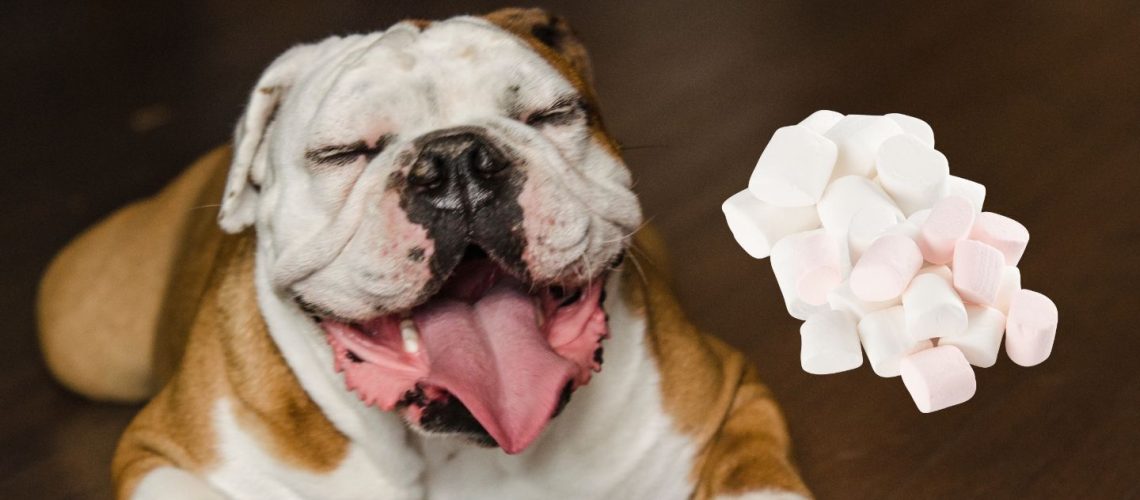
The short answer is no, dogs should not eat marshmallows. Marshmallows are a type of candy that is often made with sugar, corn syrup, and gelatin, and a sweetening agent (Xylitol), which are all ingredients that can be harmful to dogs.
Introduction
Why do people wonder about dogs eating marshmallows?
People often wonder about dogs eating marshmallows due to their soft texture and the curiosity of their furry companions. Many people find it challenging to resist giving their dogs a bit of their own treats, especially when their pets look at them with pleading eyes.
The popularity of marshmallows
Marshmallows are popular as an ingredient in various desserts, making them a common presence in households. This increases the chances of dogs finding and eating marshmallows accidentally.
The curiosity of dogs
Dogs have a natural curiosity and a strong sense of smell, which can lead them to investigate and try to eat new and potentially harmful things, including marshmallows.
The Ingredients of Marshmallows
Sugar
How sugar affects dogs
Excessive sugar consumption in dogs can lead to weight gain, tooth decay, and potentially diabetes and obesity.
Long-term effects of sugar consumption
Long-term consumption of sugar can lead to health problems in dogs, such as heart disease and organ damage.
Corn Syrup
The dangers of corn syrup for dogs
Corn syrup can cause spikes in blood sugar in dogs, which can lead to long-term health effects, such as insulin resistance and obesity. Just like sugar, this ingredient should be avoided in a dog's diet.
Gelatin
Potential allergy problems in dogs
Gelatin is made from animal by-products and can cause allergic reactions in some dogs, resulting in digestive issues like vomiting and diarrhea.
Artificial Sweeteners
Xylitol poisoning in dogs
Xylitol is an artificial sweetener used in some marshmallows and is highly toxic to dogs. It can cause hypoglycemia (low blood sugar), nervous signs, seizures, disturbed walking, and allergic reactions.
Other artificial sweeteners to avoid
Apart from xylitol, other artificial sweeteners to avoid include sorbitol, aspartame, and sucralose, as these also can be harmful to dogs.
Signs of Marshmallow Toxicity in Dogs
Symptoms of Xylitol poisoning
Signs of xylitol poisoning in dogs include vomiting, loss of coordination, seizures, and rapid breathing.
Symptoms of sugar overload
Sugar overload in dogs can cause symptoms such as hyperactivity, increased thirst and urination, and even obesity.
Symptoms of an allergic reaction to gelatin
An allergic reaction to gelatin can cause symptoms such as itching, hives, swelling, vomiting, and diarrhea in dogs.
What to Do If Your Dog Eats Marshmallows
Immediate steps to take
If your dog eats marshmallows, monitor them closely for signs of poisoning or allergic reactions. Remove any remaining marshmallows from their reach.
When to contact a veterinarian
If your dog shows symptoms of xylitol poisoning, sugar overload, or an allergic reaction, contact your veterinarian immediately.
Treatment and recovery
The treatment for dogs that consume marshmallows will depend on the symptoms and severity of their condition. Follow your veterinarian's advice and provide supportive care to help your dog recover.
Preventing Marshmallow Consumption
Safe storage of sweets
Store marshmallows and other sweets out of your dog's reach to prevent them from consuming these harmful treats.
Training your dog not to eat human food
Teach your dog appropriate behaviors and boundaries when it comes to human food, reinforcing that they should only eat their own designated food and treats.
Educating guests about dog-safe treats
If you have guests over, inform them about the dangers of giving human food to your dog and provide dog-safe treats for them to give instead.
Healthy Treats for Dogs
Fruits and vegetables
Safe fruits for dogs
Dogs can safely eat fruits like apples, bananas, and blueberries, which can provide essential nutrients and antioxidants.
Safe vegetables for dogs
Vegetables such as carrots, green beans, and sweet potatoes can also be a healthy treat option for your dog.
Dog-friendly snacks
Commercial dog treats
Many commercial dog treats are available that are both tasty and healthy for your pet.
Homemade dog treats
You can create homemade dog treats using dog-safe ingredients, allowing you to control the quality and nutrition of the treats.
Occasions to Treat Your Dog
Celebrating your dog's birthday
Choose dog-safe treats such as pupcakes or dog-friendly cookies to celebrate your dog's birthday.
Rewarding good behavior
Use healthy treats as a reward when your dog displays good behavior, reinforcing positive actions.
Making dog-friendly s'mores
Create dog-friendly versions of s'mores using dog-safe ingredients like carob, dog biscuits, and unsweetened peanut butter.
Final Thoughts
Importance of a balanced diet for dogs
To ensure your dog's overall health, it is crucial to provide a balanced diet that meets their nutritional needs without including harmful ingredients.
The risks of feeding human foods to dogs
Feeding human foods to dogs can lead to inappropriate eating habits and potentially cause health complications if the food contains harmful ingredients.
Developing a strong bond with your dog through healthy treats
By offering your dog healthy treats and rewarding them with safe, nutritious options, you reinforce a positive bond between you and your pet.