
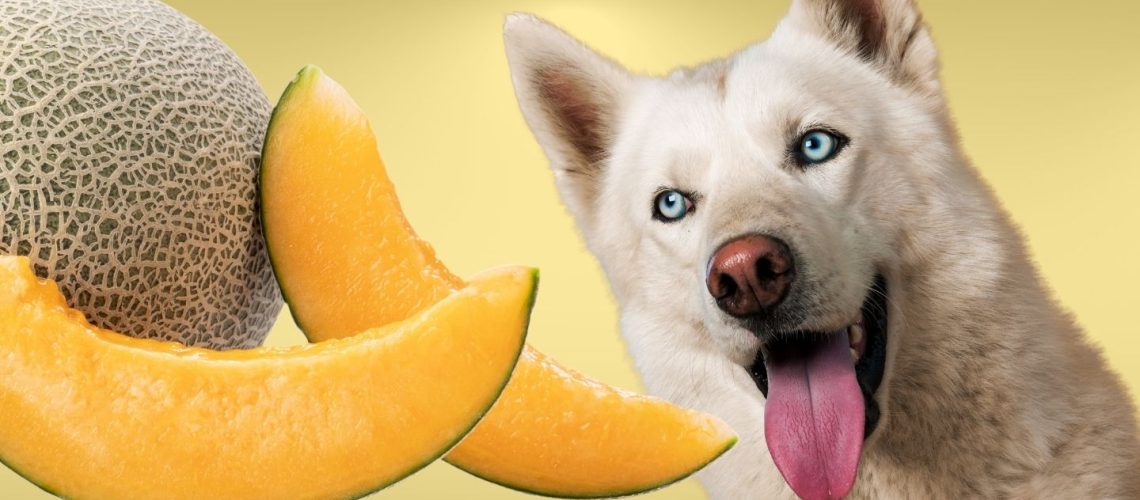
Yes, dogs can eat melon as long as it is given to them in moderation. Melon is a healthy treat for dogs that provides hydration and essential nutrients like vitamins A and C.
What Kinds of Melon Can Dogs Eat?
Watermelon
Watermelon is a safe and hydrating treat for your dog. It is low in calories, high in water content, and provides essential vitamins and nutrients.
Cantaloupe
Cantaloupe is another safe option for dogs. It is rich in vitamins A and C, which are essential for maintaining a healthy immune system.
Honeydew
Honeydew is also a good choice for dogs, providing similar benefits as watermelon and cantaloupe, including hydration and nutrients like vitamins A and C.
Seedless vs. Seeded Melons
It's best to opt for seedless melons or remove the seeds before feeding melon to your dog, as seeds can be difficult to digest or pose a choking risk.
Benefits of Melon for Dogs
Hydration
Melons are high in water content, making them an excellent source of hydration for your dog, especially during summer months when dehydration is a significant concern.
Low-Calorie Treat
Due to its low calorie content, melon makes an excellent treat for overweight dogs or those on restricted diets.
Vitamins and Antioxidants
Melons are rich in vitamins A and C, which can help support a healthy immune system.
Vitamin A
Vitamin A is essential for maintaining healthy skin, coat, and eyesight in dogs.
Vitamin C
Vitamin C is an antioxidant that helps protect the body from free radicals and supports a healthy immune system.
Fiber
Melons also contain dietary fiber, which can help promote healthy digestion in dogs.
Risks of Melon for Dogs
Choking Hazard
Melon should be cut into small, bite-sized pieces to prevent any choking hazards.
Gastrointestinal Upset
Some dogs may experience digestive upset when fed melon, especially if they are not used to it. Be sure to introduce melon to your dog's diet gradually and monitor for any negative reactions.
Allergies
While rare, some dogs may have an allergic reaction to melon. Always monitor your dog closely when introducing any new food.
Pesticides and Contamination
To reduce the risk of pesticide exposure or contamination, thoroughly wash the melon before cutting and serving to your dog.
How to Serve Melon to Dogs
Preparing the Melon
Washing the Melon
Be sure to thoroughly rinse the melon under running water before cutting and serving it to your dog.
Removing the Rind
The rind of the melon should be removed, as it can be difficult for dogs to digest.
Cutting into Small Pieces
Cut the melon into small, bite-sized pieces to prevent choking hazards.
Serving Ideas
As a Frozen Treat
Freeze melon pieces to provide a cool and refreshing treat on hot summer days.
Mixing with Other Fruits
Combine melon pieces with other dog-safe fruits like blueberries or strawberries for added variety.
Blending into a Smoothie
Blend melon with other dog-safe fruits and plain yogurt to create a tasty smoothie for your dog.
Melon Alternatives for Dogs
Blueberries
Blueberries are packed with antioxidants and are a great treat for dogs.
Strawberries
Strawberries provide vitamin C, fiber, and manganese, making them a healthy option for your canine companion.
Apples
Apples are a good source of vitamins A and C, as well as dietary fiber. Just be sure to remove any seeds and the core before serving to your dog.
Conclusion
In conclusion, melon is a safe and healthy treat for dogs when given in moderation. It is a good source of hydration and essential nutrients, but it is important to avoid giving your dog too much or feeding them melon with seeds or rind. With proper preparation and portion control, your dog can enjoy the benefits of melon as part of a balanced diet.