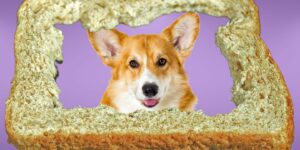

The short answer to the question of whether dogs can eat pizza crust is yes, they can. However, it's important to keep in mind that pizza crust is not a healthy or nutritious food for dogs, and it should only be given to them in moderation as an occasional treat. In this article, we'll discuss the nutritional content of pizza crust, potential hazards of giving pizza crust to dogs, and safe alternatives for dog treats.
Nutritional Content of Pizza Crust
Ingredients used in making pizza crust
The pizza crust is made from flour, water, and yeast, which are all safe for dogs to eat in small amounts. However, pizza crust doesn't offer much in the way of nutritional value for dogs. It is high in carbohydrates and calories, and it contains little in the way of protein, vitamins, or minerals.
Comparison of pizza crust's nutritional value to dog food
When compared to dog food, pizza crust falls short in providing the essential nutrients that dogs need for their overall health. High-quality dog food is specifically formulated to provide a balanced diet of proteins, fats, carbohydrates, vitamins, and minerals.
Potential Hazards of Pizza Crust for Dogs
High sodium content
Pizza crust can have high sodium content, which can be harmful to dogs when consumed in large amounts. Excessive sodium can lead to dehydration, high blood pressure, and even kidney damage in dogs.
Presence of garlic and onion
Garlic and onion are toxic to dogs and can cause gastrointestinal irritation, red blood cell damage, and anemia. While pizza crust usually does not contain these ingredients, it's essential to be aware of the potential risks.
Allergic reactions to wheat or gluten
Some dogs may be allergic to wheat or gluten, which are typically found in pizza crust. An allergic reaction can cause itching, vomiting, diarrhea, and even more severe symptoms in some dogs.
Choking hazard
Feeding large pieces of pizza crust can pose a choking hazard for smaller dogs. Always cut the crust into smaller, bite-sized pieces before giving it to your dog.
Safe Alternatives for Dog Treats
Homemade dog treats
You can make your own dog treats using healthy ingredients such as lean meats, vegetables, and whole grains. This allows you to control the ingredients and provides a more nutritious option for your dog.
Commercially available dog treats
There are many healthy and dog-friendly treats available on the market. Look for treats made with natural ingredients, and always make sure to read the label to ensure they are appropriate for your dog's dietary needs.
Fruits and vegetables that are safe for dogs
Many fruits and vegetables are safe and healthy for dogs to eat. Some options include apples (without seeds), blueberries, spinach, and carrots. These can provide a low-calorie and nutrient-dense treat for your dog.
Tips on Giving Pizza Crust to Dogs Safely
Removing unhealthy toppings
If you decide to give your dog pizza crust, make sure to remove any unhealthy toppings such as cheese, meats, and sauces that can cause digestive upset in dogs.
Cutting the crust into small pieces
As mentioned earlier, always cut the pizza crust into small, bite-sized pieces to avoid any choking hazards for your dog.
Monitoring your dog for any adverse reactions
Closely monitor your dog for any signs of allergic reactions or gastrointestinal distress after giving them pizza crust. If you notice any symptoms, consult your veterinarian immediately.
Expert Opinions and Recommendations
Veterinarians' stance on feeding pizza crust to dogs
Most veterinarians do not recommend feeding pizza crust to dogs due to its high carbohydrate content and low nutritional value. It's best to stick to dog-specific treats that provide the necessary nutrients for your dog's health.
Guidelines on occasional treats for dogs
Occasional treats are acceptable for dogs, but they should not make up more than 10% of their daily caloric intake. This helps to ensure your dog maintains a balanced diet and avoids weight gain.
Frequently Asked Questions
Can dogs eat pizza toppings?
Many pizza toppings can be harmful to dogs, such as onions, garlic, and high amounts of cheese. Stick to dog-safe treats and avoid giving pizza toppings to your dog.
How much pizza crust is too much for dogs?
As a general rule, the amount of pizza crust you give to your dog should not exceed 10% of their daily caloric intake. For example, if your dog requires 1,000 calories per day, they should only be given 100 calories worth of pizza crust.
What are the signs of an allergic reaction in dogs?
Allergic reactions in dogs can manifest as itching, vomiting, diarrhea, or difficulty breathing. If you suspect your dog is experiencing an allergic reaction, consult your veterinarian immediately.
Summary
In summary, while dogs can safely eat pizza crust, it is not a healthy or nutritious food for them. It's important to be aware of the potential hazards and choose more nutritious alternatives for your dog's treats. As with all treats, moderation is key, and always consult with your veterinarian if you have any concerns.