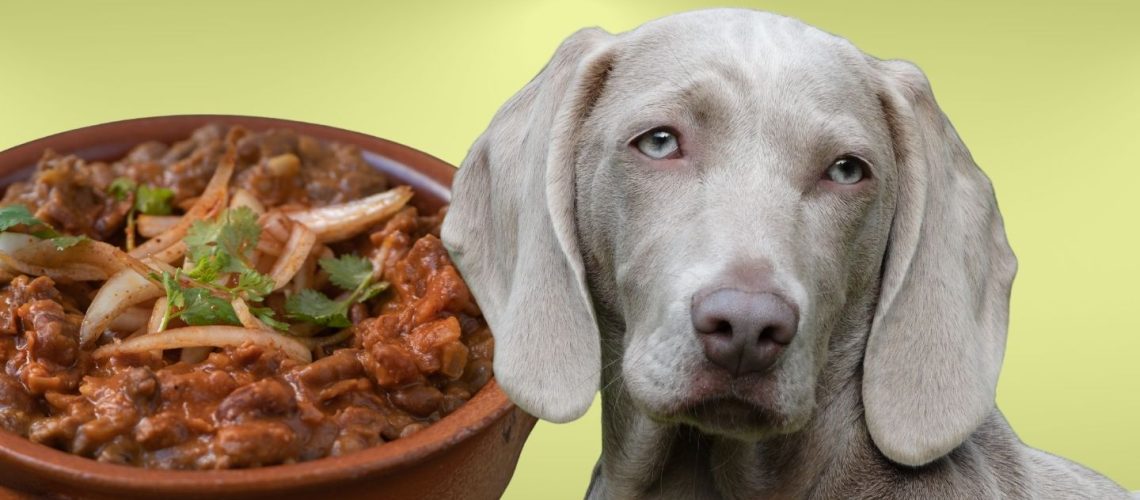
Can dogs eat refried beans? The short answer is no, dogs should not eat refried beans. As a responsible pet owner, it's important to provide your dog with a well-balanced and nutritious diet. While some human foods can be safely integrated into your dog's diet, refried beans are not one of them. In this article, we will discuss the ingredients and nutritional content of refried beans, as well as their potential health risks for dogs. We will also explore some alternative bean options for dogs and provide tips for feeding your pet human food safely.
Introduction
Importance of a balanced diet for dogs
To ensure the optimal health and well-being of your pet, it's crucial to feed them a diet specifically formulated for their needs. A well-balanced diet should provide all the necessary nutrients, including proteins, fats, carbohydrates, vitamins, and minerals.
Overview of potential human foods that are safe and unsafe for dogs
While some human foods can be a healthy and delicious treat for dogs, others can be toxic or harmful to their systems. It's essential to know which foods are safe for your dog and which should be avoided.
Refried Beans: Ingredients and Preparation
Types of beans used in refried beans
Refried beans can be made with various types of beans, but the most common bean used is the pinto bean. Other types of beans that can be used include black beans and kidney beans.
Common seasonings and additives in refried beans
To enhance flavor, refried beans typically include seasonings such as garlic, onion, and spices like jalapenos. Some recipes may also include canola oil or other vegetable oils to improve the texture.
Traditional and commercial preparation methods
Refried beans are prepared by mashing cooked beans and then cooking them again in oil or fat with additional seasonings. This process helps to develop a flavorful, creamy consistency.
Nutritional Content of Refried Beans
Macronutrients: carbohydrates, protein, and fats
Refried beans are a good source of complex carbohydrates and dietary fiber. They also contain some protein and fats, which will vary depending on the type of oil used in the preparation.
Micronutrients: vitamins and minerals
Refried beans offer a variety of vitamins and minerals, including B vitamins, iron, and potassium.
Fiber content
Refried beans are naturally high in dietary fiber, which can promote healthy digestion.
Potential Health Risks for Dogs
Canola oil and the risk of pancreatitis
Many refried beans recipes use canola oil, which increases the fat content in the dish. High-fat foods can cause gastric upset and even pancreatitis in dogs, a potentially life-threatening condition.
Caloric density and weight gain
Refried beans are dense in calories, which can contribute to weight gain and obesity in dogs when consumed in large amounts. Overweight dogs are at higher risk for various health issues, such as diabetes, heart disease, and arthritis.
High salt content and sodium ion poisoning
Refried beans can contain high amounts of salt, which can lead to sodium ion poisoning in dogs. This can cause vomiting, diarrhea, seizures, and even death in severe cases.
Seasonings and their toxicity to dogs
Garlic and onion poisoning
Garlic and onion are common ingredients in refried beans, but they can be toxic to dogs. Ingesting these foods can cause anemia, weakness, and potentially devastating damage to your dog's red blood cells.
Spices and their effects on the digestive system
Spices, such as jalapenos found in refried beans, can irritate your dog's digestive system, leading to stomach upset and diarrhea.
Alternative Bean Options for Dogs
Safe bean varieties for dogs
There are safe bean options for your dog, such as green beans or plain, cooked black beans or pinto beans without added seasonings and oil.
How to prepare beans for your dog
When feeding beans to your dog, be sure to cook them properly and rinse them well to remove any sodium content. Avoid adding seasonings that can irritate your dog's stomach or be toxic.
Bean-based dog food options
Some dog food brands incorporate beans in their formulas as a healthy source of protein and fiber. These options can be a safe way to include beans in your dog's diet.
Tips for Feeding Dogs Human Food
Guidelines for safe human food consumption by dogs
When feeding your dog human food, adhere to the following guidelines:
- Be aware of toxic or harmful foods for dogs.
- Introduce new foods slowly and in small amounts.
- Make sure the portion size is appropriate for your dog's size and calorie needs.
- Remove high-risk ingredients, such as added fat, seasonings, and salt.
Foods to avoid for dogs
Some foods that should be avoided for dogs include chocolate, grapes, raisins, avocado, alcohol, and products containing xylitol.
How to introduce new foods to your dog's diet
When introducing new foods to your dog's diet, start with small amounts and monitor for any adverse reactions or signs of gastrointestinal upset.
Conclusion
Importance of a well-balanced diet for dogs
Feeding your dog a well-balanced, species-appropriate diet is essential for maintaining their overall health and well-being.
Alternative dog-friendly food options
There are alternative, dog-friendly food options available, both in the form of human foods and specially formulated dog foods.
Preventing health issues by avoiding refried beans and other unsafe foods
To keep your pet healthy and happy, avoid feeding them refried beans or other potentially harmful foods. Stick to dog-friendly options for treats and supplemental nutrition to ensure the best possible care for your furry companion.