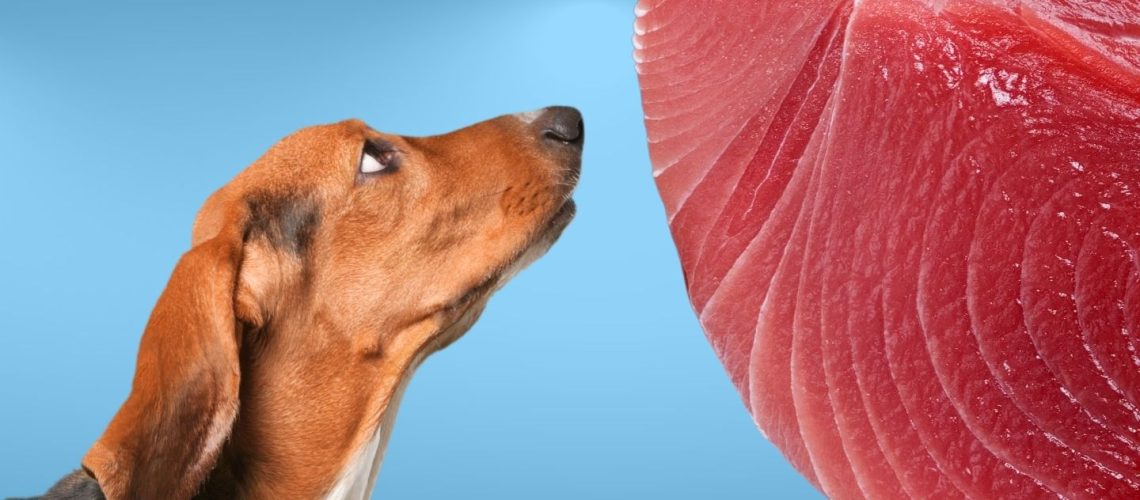
Yes, dogs can eat tuna in moderation. Tuna can be a good source of protein and omega-3 fatty acids for dogs, but it should not make up a significant portion of their diet. As with any human food, it's important to provide your pets with a balanced diet and consult your veterinarian before making any changes to their meals.
Benefits of Tuna for Dogs
Protein content
Tuna is a good source of high-quality protein for dogs, which is essential for their muscle growth and overall health.
Omega-3 fatty acids
Tuna is also rich in omega-3 fatty acids, which offer numerous health benefits for dogs such as:
Benefits for coat health
Omega-3 fatty acids can help keep a dog's coat looking healthy and shiny.
Benefits for brain function
These fats contribute to healthy brain development and function in dogs.
Benefits for heart health
Omega-3 fatty acids can help support a healthy cardiovascular system in dogs.
Risks of Tuna for Dogs
Mercury content
One of the main concerns with feeding tuna to dogs is its high mercury content. Consuming large amounts of tuna can lead to mercury poisoning in dogs, which can be harmful to their health.
Symptoms of mercury poisoning in dogs
Some symptoms of mercury poisoning in dogs include:
- Weakness
- Loss of balance
- Tremors
- Vomiting
- Diarrhea
Treatment for mercury poisoning
If you suspect your dog is suffering from mercury poisoning, consult your veterinarian immediately. Treatment options may include medications to remove the mercury from the body and supportive care.
Sodium content
Tuna can also be high in sodium, which can be risky for dogs if consumed in large quantities.
Risks of excess sodium intake
Excessive sodium intake in dogs can lead to:
- Dehydration
- Kidney issues
- High blood pressure
How to Feed Tuna to Dogs
Choosing the right type of tuna
When feeding your dog tuna, opt for canned tuna packed in water, rather than oil. Oil-packed tuna can be high in fat, which may be harmful to dogs if consumed in large amounts. Fresh tuna can also be fed to dogs, but ensure it is cooked properly to avoid any potential health risks associated with raw fish consumption.
Proper portion sizes
Follow these guidelines when feeding tuna to your dog:
Guidelines for small dogs
Small dogs should only have a few bites of tuna as an occasional treat.
Guidelines for large dogs
Larger dogs can have a slightly larger portion of tuna, but it should still be limited and not part of their regular diet.
Frequency of feeding
Tuna should be given to dogs as an occasional treat, not as a staple in their diet.
Alternatives to Tuna for Dogs
If you're looking for other protein options for your dog, consider:
Other fish options
- Salmon
- Sardines
- Whitefish
Non-fish protein sources
- Chicken
- Turkey
- Lean beef
Conclusion
In conclusion, dogs can eat tuna in moderation as an occasional treat, as it provides valuable protein and omega-3 fatty acids. However, be aware of the risks associated with tuna consumption, such as mercury and sodium content, and monitor portion sizes accordingly. Remember to consult your veterinarian before making any changes to your dog's diet, and aim to provide a balanced meal plan for your furry friend's overall health and well-being.