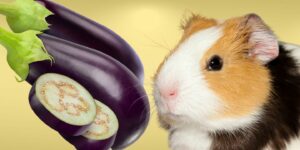

Yes, guinea pigs can eat beets, but they should only be given in moderation as part of a balanced diet. Beets are a healthy vegetable that can provide guinea pigs with important vitamins and minerals, but they also contain sugar and should not be fed in large amounts.
Introduction
Guinea Pig Diet Basics
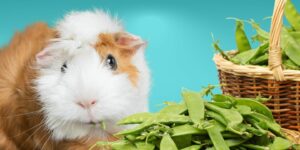
Guinea pigs are herbivores that require a diet high in fiber, vitamins, and minerals to stay healthy. Their primary source of food should be hay, which provides the necessary fiber for proper digestion. In addition to hay, guinea pigs should be given a variety of fresh vegetables and fruits to maintain a varied and balanced diet.
Why Beets Can Be a Good Addition to Their Diet
Beets can be a good addition to a guinea pig's diet due to their nutritional content. They provide important vitamins and minerals that can benefit guinea pigs and support their overall health.
Nutritional Benefits of Beets for Guinea Pigs
Vitamin C Content
Beets are a good source of vitamin C, an essential nutrient for guinea pigs. Unlike most animals, guinea pigs are unable to produce their own vitamin C and must obtain it from their diet. Vitamin C supports a healthy immune system and helps to prevent scurvy, a disease that can affect guinea pigs.
Folate Content
Folate, also known as vitamin B9, is another important nutrient found in beets. This vitamin plays a role in cell growth and maintenance, which is especially critical for young and pregnant guinea pigs.
Magnesium and Potassium Content
Beets also contain magnesium and potassium, minerals that are vital for maintaining a guinea pig's overall health. Magnesium is essential for proper bone development and potassium is important for maintaining healthy nerve function.
Antioxidant Properties
Beets have antioxidant properties which can help neutralize harmful free radicals in the body. This can aid in keeping guinea pigs healthier and support their immune systems.
Risks of Feeding Beets to Guinea Pigs
Sugar Content and Obesity
Although beets can provide some nutritional benefits, they should be fed in moderation due to their sugar content. Too much sugar can lead to obesity in guinea pigs, which in turn increases their risk of developing various health problems.
Dental Issues
Excessive sugar consumption can also contribute to dental issues in guinea pigs, such as dental caries and cavities. It is essential to balance sugary treats like beets with other low-sugar vegetables to help maintain optimal dental health.
Possible Allergic Reactions
Some guinea pigs might have allergic reactions to beets. If you notice any symptoms like swelling, itching, or difficulty breathing, discontinue feeding beets to your guinea pig and consult a veterinarian.
How to Safely Introduce Beets to Your Guinea Pig's Diet
Choosing and Preparing Beets
When feeding beets to your guinea pig, always choose fresh, organic beets and wash them thoroughly. Remove any leaves and stems, and dice the beets into small, manageable pieces.
Introducing Beets Gradually
Introduce beets gradually into your guinea pig's diet. Start with a small amount and monitor for any adverse effects, such as digestive upset. Gradually increase the portion size if your guinea pig has no negative reactions.
Monitoring for Any Adverse Effects
Always keep an eye on your guinea pig when introducing new foods, including beets. If you notice any changes in their behavior or appearance, such as diarrhea, lethargy, or weight gain, discontinue feeding beets and consult your veterinarian.
Portion Size
How Much to Feed
When feeding beets to your guinea pig, it is important to limit the portion size. A good rule of thumb is to provide no more than a tablespoon of diced beets per guinea pig per day. This will ensure that your guinea pig gets the nutritional benefits of beets without consuming too much sugar.
Frequency of Feeding Beets
Guinea pigs should not be given beets every day. It is recommended to feed them beets only 1-2 times per week to prevent excessive sugar intake.
Balancing Beets with Other Vegetables and Fruits
To maintain a balanced guinea pig diet, beets should be fed alongside a variety of other vegetables and fruits, such as bell peppers, carrots, and leafy greens.
Alternatives to Beets for Guinea Pigs
Bell Peppers
Bell peppers are a great alternative to beets for guinea pigs. They are low in sugar, high in vitamin C, and can be easily incorporated into a guinea pig's diet.
Carrots
Carrots can provide similar nutritional benefits to beets, such as vitamin C, and can be given to guinea pigs as a treat in moderation.
Leafy Greens
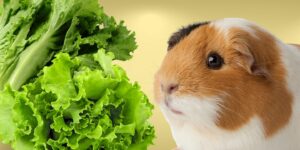
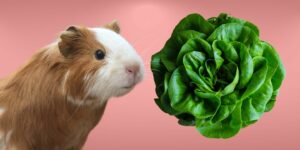
Leafy greens like kale, spinach, and lettuce are low in sugar and high in essential nutrients, making them a fantastic alternative to beets for a healthy guinea pig diet.
Conclusion
The importance of a balanced diet for guinea pigs cannot be overstated. While beets can be a beneficial addition to their diets due to their nutritional content, it is essential to feed them in moderation and balance them with other vegetables and fruits. By monitoring portion sizes and providing guinea pigs with a variety of healthy foods, you can ensure that they enjoy the benefits of beets without any negative effects.