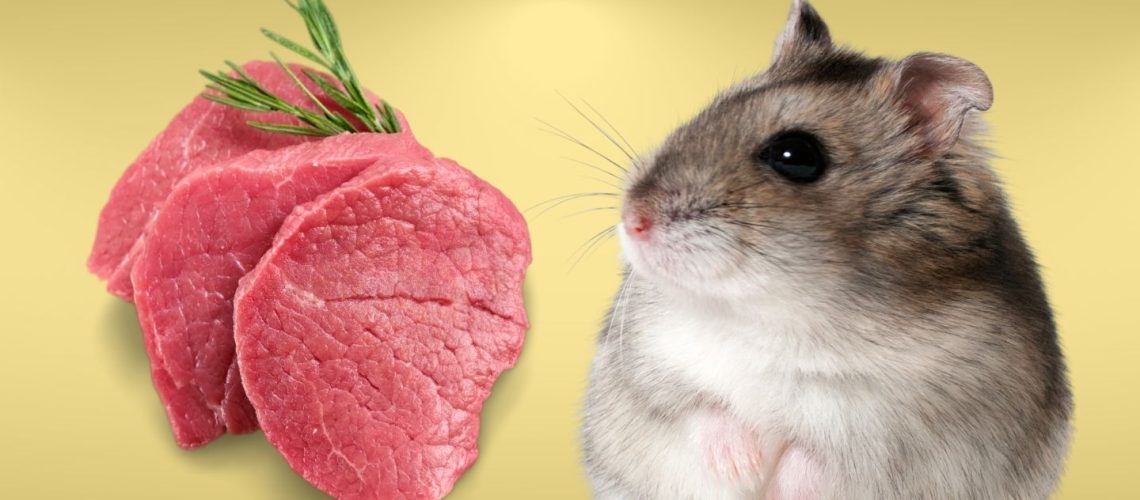
Hamsters are popular pets due to their small size, cute appearance, and relatively low maintenance needs. However, it is important for hamster owners to understand the dietary needs of their furry friends. In this article, we will discuss if hamsters can eat meat, why they shouldn't, and what they should be eating instead to ensure a healthy and balanced diet.
The Natural Diet of Hamsters
To understand why hamsters cannot eat meat, it's important to consider their natural diet in the wild. Here, we will discuss the types of foods hamsters eat in their natural habitat.
Seeds and Grains
In the wild, hamsters primarily consume seeds and grains. These plant-based foods provide them with essential nutrients, such as carbohydrates, protein, and fat for energy, growth, and overall health.
Fruits and Vegetables
Hamsters also eat a variety of fruits and vegetables in their natural habitat, which provide additional vitamins and minerals for optimal health. These can include occasional leafy greens, root vegetables, and small portions of fruit.
Occasional Insect Consumption
While hamsters are primarily herbivores, they occasionally consume insects in the wild, such as mealworms or crickets. Insects can provide a small amount of protein, but they form only a minor part of the hamster's overall diet.
Health Risks Associated with Feeding Meat to Hamsters
Feeding meat to hamsters can lead to a variety of health problems. In this section, we will discuss the potential risks and issues associated with feeding meat to hamsters.
Digestive Problems
Hamsters have short and simple digestive tracts designed to process plant-based foods. Their digestive system is not equipped to handle meat, which can lead to gastrointestinal issues, including constipation or diarrhea.
Obesity
Feeding meat to hamsters can result in excessive weight gain and obesity, as it is high in fat and calories. This can lead to other health-related issues, such as heart problems or diabetes.
Kidney and Liver Issues
A diet high in protein from meat can overwork a hamster's kidneys and liver, potentially leading to organ damage or failure.
Nutrient Imbalances
Feeding meat to hamsters can create imbalances in their nutrient intake, since their diets should consist primarily of plant-based foods, which provide them with the proper balance of carbohydrates, proteins, and fats.
Safe Foods for Hamsters
It's crucial to provide your hamster with a balanced and healthy diet. In this section, we will discuss safe food options for hamsters and how to properly feed them.
Commercial Hamster Food
Pellets vs. Seed Mixes
Commercial hamster food is available in pellet or seed mix form. Pellets offer a consistent balance of nutrients, whereas seed mixes allow for more variety but may lead to selective eating. Consult your veterinarian to determine the best choice for your hamster.
Choosing High-Quality Food
Select a high-quality commercial hamster food with a balanced nutritional profile, free of added sugars, artificial colors, or preservatives.
Fresh Fruits and Vegetables
Safe Options for Hamsters
Hamsters can eat small amounts of fresh fruits and vegetables as treats, such as carrots, cucumbers, apples, or spinach. Always wash and remove seeds before feeding them to your hamster.
Foods to Avoid
Some fruits and vegetables can be harmful to hamsters, including onions, garlic, citrus fruits, and avocado. Ensure you consult a veterinarian or reliable resource before adding new items to your hamster's diet.
Occasional Protein Sources
Insects and Insect-Based Foods
Small amounts of insects, like mealworms or crickets, can occasionally be fed to your hamster as a protein source.
Cooked Eggs
Boiled or scrambled eggs, without any added seasonings, can serve as an occasional source of protein for your hamster.
Tofu
Plain, unseasoned tofu can also act as an alternative protein source for your hamster in moderate amounts.
Feeding Tips and Portion Sizes
Proper feeding practices are essential to maintaining your hamster's health. Here, we will discuss feeding tips and portion sizes for hamsters.
Frequency of Feeding
Hamsters should be fed daily, with food always available in their enclosure. However, ensure that you're monitoring their overall food consumption to avoid overfeeding.
Monitoring Food Intake
Keep track of your hamster's food intake and adjust portion sizes accordingly to maintain a healthy weight.
Adjusting Portions Based on Age and Activity Level
Younger or more active hamsters may require larger portions, while older or less active hamsters may require smaller portions to maintain a healthy weight.
Avoiding Overfeeding
Overfeeding can lead to obesity and health issues. Carefully measure and monitor your hamster's food intake to avoid overfeeding.
Summary
In summary, it is important for hamster owners to understand that their pets cannot eat meat, as it can lead to numerous health problems. Instead, they should provide a balanced diet consisting of high-quality commercial hamster food, fresh fruits and vegetables, and occasional protein sources like insects or cooked eggs. By following proper feeding practices and monitoring portion sizes, hamster owners can ensure the health and happiness of their furry friends.