Can rabbits eat dandelions? The truth revealed

Dandelions are a tasty and nutritious treat for rabbits, but is it safe to feed them to your furry friend? Find out in this comprehensive article!
Can Rabbits Eat dandelions?

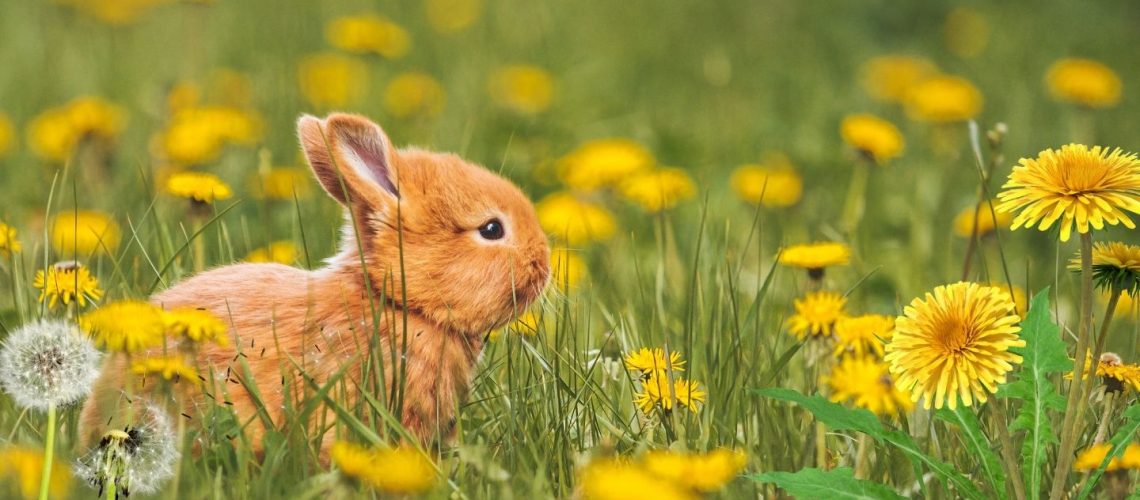
Yes, rabbits can eat dandelions. In fact, dandelions are a nutritious and tasty treat for rabbits as they are an excellent source of various essential vitamins and minerals. However, it's important to introduce dandelions gradually into a rabbit's diet and always source them from safe, untreated areas.

Importance of a balanced diet for rabbits

A balanced diet is crucial for a rabbit's overall health and well-being. It typically consists of hay, pellets, and fresh vegetables, with dandelions being a great addition.

Dandelions as part of a rabbit's diet

Dandelions can supplement a rabbit's diet as a natural source of vitamins and minerals, aiding in maintaining their health.

Nutritional benefits of dandelions for rabbits

Dandelions are a powerhouse of nutrition filled with vitamins A, C, and K, as well as calcium, iron, and other minerals.

The role of these nutrients in a rabbit's health

These nutrients play essential roles in a rabbit's health, supporting healthy vision, bone development, immune function, and blood clotting.

How to feed dandelions to rabbits

Introduce dandelions gradually and combine them with hay and pellets to maintain a balanced diet for your rabbit.

Introducing dandelions gradually

Start by offering a few dandelion leaves a day, along with their regular diet, and slowly increase the amount over time to avoid digestive issues.

Combining dandelions with hay and pellets

As dandelions are not meant to replace hay and pellets, ensure you maintain a proper balance by incorporating them as a supplement to your rabbit's diet.

Adjusting portion sizes based on your rabbit's reactions

Monitor your rabbit's reactions and adjust the dandelion portion size if needed to keep their digestion running smoothly.

Potential risks of feeding dandelions to rabbits

Be cautious about the risk factors associated with feeding dandelions, such as pesticide exposure and contamination from polluted areas.

Pesticides and herbicides on dandelions

Dandelions treated with chemicals pose a risk to your rabbit's health, so avoid feeding them any potentially treated plants.

Contaminated dandelions from polluted areas

Likewise, dandelions growing in heavily trafficked or polluted areas can be contaminated and should be avoided.

Overfeeding dandelions and digestive upset

Excessive dandelion consumption might lead to digestive issues, so moderation is key.

Tips for selecting and preparing dandelions for rabbits

Ensure that you choose safe, untreated dandelions and prepare them properly before feeding them to your rabbits.

Identifying safe, untreated dandelions

Source dandelions from organic, pesticide-free areas such as your own garden or a trusted supplier.

Washing and storing dandelions properly

Wash the dandelions thoroughly before feeding them to your rabbit, and store any unused leaves in the refrigerator to keep them fresh.

Mixing dandelions with other rabbit-safe vegetables

Enhance your rabbit's diet by mixing dandelions with other rabbit-safe vegetables, such as leafy greens and bell peppers.

Monitoring your rabbit's health and digestion

Keep a close eye on your rabbit's digestion and overall health, especially when introducing new foods like dandelions.

Signs of digestive upset in rabbits

Watch for symptoms like diarrhea, gas or bloating, and a lack of appetite, which can indicate that your rabbit is not tolerating the dandelions well.

When to consult a veterinarian

If you notice any concerning signs, consult a veterinarian immediately to prevent any potential health complications.

Conclusion

Dandelions can be a nutritious and delightful addition to your rabbit's diet, providing essential vitamins and minerals. However, always introduce them gradually, source dandelions from safe, untreated areas, and monitor your rabbit's health to ensure their well-being.

Medically Reviewed by Ivana Crnec, DVM

Ivana is a DVM with a specialty in domestic carnivores – dogs & cats. She is passionate about educating pet owners and raising awareness about pet health.

You Might Also Be Interested In:

Can Dogs Eat pecans?
Toxic to Dogs
Ivana Crnec, DVM

Can Dogs Eat Pecans?

Pecans may be a tasty snack for humans, but can dogs enjoy them too? Find out if it’s safe for your furry friend to indulge in this nutty treat.

Read More »
Can Dogs Eat cabbage?
Safe for Dogs
Ivana Crnec, DVM

Can Dogs Eat Cabbage?

Can dogs eat cabbage? Find out the answer in this comprehensive article that explores the potential health benefits and risks of this leafy green vegetable for your furry friend.

Read More »
Can Dogs Eat jasmine rice?
Safe for Dogs
Ivana Crnec, DVM

Can Dogs Eat Jasmine Rice?

Can dogs eat jasmine rice? Find out the answer in this comprehensive article, which discusses the benefits and risks of feeding jasmine rice to dogs, as well as appropriate portion sizes.

Read More »
Can Dogs Eat donuts?
Dangerous to Dogs
Ivana Crnec, DVM

Can Dogs Eat Donuts?

Is it okay to give your dog a donut? Find out the answer in this article and learn why donuts are not a healthy option for dogs as part of their regular diet.

Read More »
Can Dogs Eat candy?
Toxic to Dogs
Ivana Crnec, DVM

Can Dogs Eat Candy?

Did you know that candy can be dangerous for dogs? Find out what you should do if your furry friend accidentally eats some and how to keep them safe in our comprehensive article.

Read More »
Can Dogs Eat rice cakes?
Safe for Dogs
Ivana Crnec, DVM

Can Dogs Eat Rice Cakes?

Can dogs eat rice cakes? Find out in this article, which covers the potential benefits and risks of feeding rice cakes to dogs, as well as the recommended serving size.

Read More »
Can Dogs Eat apple juice?
Dangerous to Dogs
Ivana Crnec, DVM

Can Dogs Drink Apple Juice?

Is apple juice safe for dogs to drink? Find out in this comprehensive article, which covers the potential dangers and offers safe alternatives for your furry friend.

Read More »
Can Dogs Eat blue cheese?
Dangerous to Dogs
Ivana Crnec, DVM

Can Dogs Eat Blue Cheese?

Is blue cheese safe for dogs to eat? Find out in our comprehensive article, which covers the potential risks and healthy alternatives for your furry friend.

Read More »
Can Dogs Eat mulberries?
Safe for Dogs
Ivana Crnec, DVM

Can Dogs Eat Mulberries?

Mulberries may be tasty treats for humans, but can they be safely fed to dogs? Find out in our comprehensive article on whether dogs can eat mulberries, including information on portion size and potential risks.

Read More »
Can Dogs Eat banana chips?
Not Recommended for Dogs
Ivana Crnec, DVM

Can Dogs Eat Banana Chips?

Dogs may be able to eat banana chips, but is it really a good idea? Read on to learn more about the potential dangers and benefits of this treat for your furry friend.

Read More »
Can Dogs Eat french fries?
Dangerous to Dogs
Ivana Crnec, DVM

Can Dogs Eat French Fries?

Is it okay for dogs to eat french fries? Find out in this comprehensive article, which covers why french fries are not good for dogs and provides healthy alternatives. Plus, learn about portion size for dogs.

Read More »
Can Dogs Eat dates?
Not Recommended for Dogs
Ivana Crnec, DVM

Can Dogs Eat Dates?

Can dogs eat dates? Read on to learn about the potential benefits and risks of feeding dates to your furry friend, as well as appropriate portion sizes.

Read More »
Can Dogs Eat cod?
Safe for Dogs
Ivana Crnec, DVM

Can Dogs Eat Cod?

Dogs love to chow down on all sorts of delicious treats, but can they enjoy cod? Find out if this lean fish is safe for man’s best friend, and learn about the potential risks and benefits.

Read More »
Can Dogs Eat garlic bread?
Toxic to Dogs
Ivana Crnec, DVM

Can Dogs Eat Garlic Bread?

Is garlic bread safe for dogs to eat? Find out in our comprehensive article, including information on portion size and what to do if your dog has eaten garlic bread.

Read More »