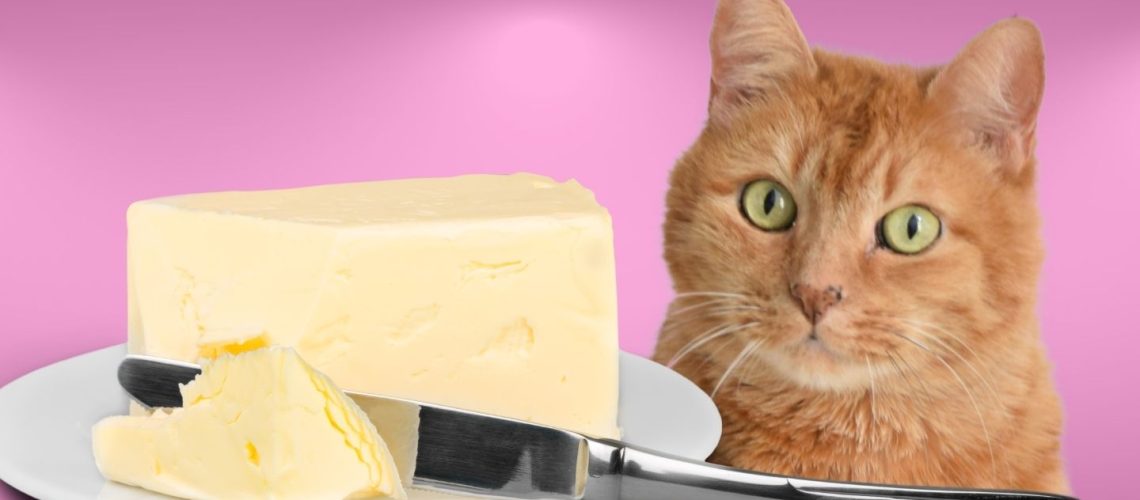
The short answer is yes, cats can eat butter in small amounts as an occasional treat. However, it is important to monitor their intake and not make it a regular part of their diet.
Introduction
What is butter?
Butter is a dairy product made from the fat and protein components of milk or cream. It is typically made by churning cream until the fat separates and forms a solid mass, called butter.
How butter is made
Butter is made by churning fresh cream or milk to separate the fat from the liquid. The fat then coagulates and is collected to make butter, while the remaining liquid, known as buttermilk, can be used for other purposes.
Can Cats Eat Butter?
Potential risks of cats eating butter
Lactose intolerance in cats
Many cats are lactose intolerant, which means they have difficulty digesting lactose, the sugar found in dairy products like butter. Consuming lactose can cause digestive issues, such as diarrhea or vomiting, in lactose-intolerant cats.
High fat content
Butter is high in fat, and consuming large amounts of fat can lead to weight gain and obesity in cats. In turn, obesity can lead to other health issues, such as diabetes and heart disease.
Weight gain
Butter is calorie-dense and can contribute to excessive weight gain if consumed regularly or in large amounts. Overweight cats are at risk for various health issues, including joint problems and a reduced lifespan.
Pancreatitis
Too much fat in a cat's diet can lead to pancreatitis, an inflammation of the pancreas. This condition can cause severe pain, vomiting, and diarrhea, and may require immediate veterinary care.
Allergies
Some cats may have an allergic reaction to butter or other dairy products, leading to symptoms like itching, hives, or digestive issues.
The Nutritional Value of Butter for Cats
Fats in a cat's diet
Fats are essential in a cat's diet for energy and overall health. However, the type and amount of fat are important factors. Butter may not provide the most beneficial fats for cats, and excessive amounts can lead to health issues.
Comparison to other fat sources
Compared to other fat sources, such as fish oil or animal fats found in high-quality cat food, butter does not offer the same health benefits, such as essential fatty acids like omega-3 and omega-6.
Lack of essential nutrients in butter
Butter does not provide significant amounts of essential nutrients such as vitamins, minerals, or amino acids, which cats require for optimal health.
Alternatives to Butter for Cats
Healthy cat treats
There are many healthy cat treats available that can provide enjoyment without the risks associated with butter. Look for treats specifically designed for cats, made from natural ingredients and offering a balanced nutritional profile.
High-quality cat food
Feeding your cat a high-quality, balanced cat food is key to ensuring they get all the nutrients they need without any harmful extras.
Nutritious human foods for cats
Many human foods can be safely given to cats in moderation, such as cooked lean meats or fish, which provide essential nutrients and fats without the risks butter presents.
How to Safely Give Butter to Cats
Monitoring portion size
If you choose to give your cat butter as an occasional treat, limit the amount to no more than 1-2 teaspoons per day.
Introducing butter to your cat's diet
Introduce butter slowly, and watch for signs of lactose intolerance or other negative reactions. If issues occur, discontinue giving butter to your cat.
Signs of intolerance or negative reactions
Monitor your cat for signs of intolerance, such as diarrhea, vomiting, or itching after consuming butter. If you notice any of these symptoms, consult with a veterinarian.
Expert Opinions on Cats and Butter
Veterinarians' recommendations
Most veterinarians would advise against making butter a regular part of your cat's diet, due to the potential risks and lack of nutritional benefits. Always consult with your veterinarian before introducing new foods to your cat's diet.
Studies on cats and dairy products
Some studies have suggested that cats may have difficulty digesting dairy products like butter, which can lead to lactose intolerance or other digestive issues.
Frequently Asked Questions
What other dairy products can cats eat?
Some cats can tolerate small amounts of dairy products like yogurt, cheese, or cottage cheese. However, always monitor your cat's reaction and consult with a veterinarian.
Can butter harm kittens?
Kittens may be more sensitive to dairy products like butter, and it is best to avoid giving them butter or other dairy products.
Can cats eat margarine or other butter alternatives?
Cats should not consume margarine or other butter substitutes due to potential additives and artificial ingredients that could be harmful.
Conclusion
In conclusion, while cats can eat butter in small amounts, it is not recommended as a regular part of their diet. Stick to a balanced and nutritious diet for your feline friend, and only give them butter as an occasional treat in moderation. Consult with your veterinarian for personalized advice on your cat's diet.