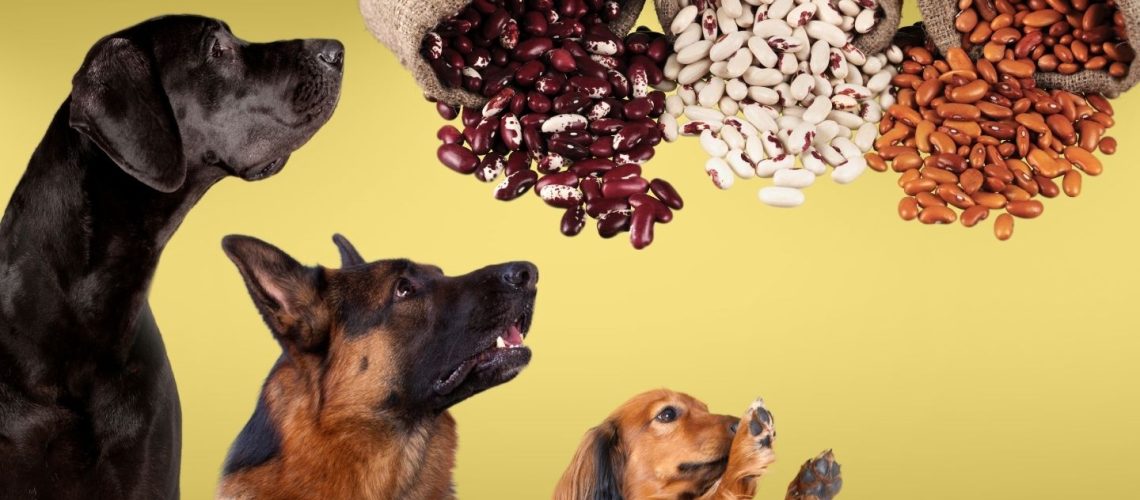
Yes, dogs can eat beans in moderation. Beans are a great source of protein, fiber, and other essential vitamins (B, E, K) and minerals (Fe, Ca, Mn, P). However, like with any new food, it's important to introduce beans to your dog's diet gradually and in small amounts to prevent any potential stomach upset.
Nutritional Benefits of Beans for Dogs
Beans are a good source of protein, fiber, and other essential vitamins and minerals. They can help provide your dog with a balanced diet and may have some health benefits, such as improving digestive health and supporting weight loss.
Potential Risks of Feeding Beans to Dogs
While beans can be a healthy addition to your dog's diet, it's important to be aware of the potential risks. Some dogs may be allergic to beans, and eating too many beans can cause gastrointestinal issues, such as gas and bloating. Additionally, certain types of beans, such as uncooked or undercooked kidney beans, can be toxic to dogs.
Introducing Beans to Your Dog's Diet
If you want to add beans to your dog's diet, it's important to do so gradually. Start by offering a small amount of cooked, plain beans and see how your dog reacts. If they tolerate the beans well, you can gradually increase the portion size over time. It's important to only feed your dog cooked beans and avoid giving them raw or undercooked beans.
Types of Beans Safe for Dogs
Not all beans are created equal, and some are safer for dogs than others. It's essential to know which beans are safe for your dog to consume and which ones to avoid.
Green Beans
Green beans are an excellent low-calorie option for dogs and can be served cooked or raw.
Lentils
Lentils are a good source of protein and can be easily digestible for dogs when cooked properly.
Chickpeas
Chickpeas, also known as garbanzo beans, are safe for dogs and can be a good source of protein and fiber.
Pinto Beans
Pinto beans are another safe option for dogs and can provide a good source of protein and other essential nutrients.
Black Beans
Black beans can be a healthy addition to your dog's diet as they are rich in vitamins and minerals.
Types of Beans to Avoid
Some beans can be harmful to dogs and should be avoided to prevent health issues.
Kidney Beans
Uncooked or undercooked kidney beans contain toxic compounds that can be harmful to dogs.
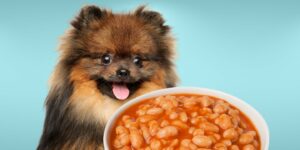
Baked Beans
Baked beans often contain added sugar, salt, and other ingredients that are not suitable for dogs.
Canned Beans
Canned beans can be high in sodium, which is not good for your dog's health. Always opt for low-sodium or no-sodium canned beans if you must use them.
Preparing Beans for Your Dog
It's important to prepare beans properly before feeding them to your dog to ensure their safety and maximize their nutritional benefits.
Cooking Methods
Boiling or steaming beans is the best way to prepare them for your dog, as it helps to break down any harmful compounds and preserves the nutritional value.
Seasoning
Avoid adding any seasoning, such as salt, garlic, or onion, as these can be harmful to your dog.
Portion Sizes
Start with small portions and gradually increase the amount of beans in your dog's diet to avoid gastrointestinal issues.
Alternatives to Beans for Dogs
If your dog doesn't tolerate beans well or you're looking for other healthy food options, there are several alternatives to consider.
Peas
Peas are a good source of vitamins and minerals and can be a safe alternative to beans for dogs.
Sweet Potatoes
Sweet potatoes are high in fiber and beneficial nutrients, making them a great addition to your dog's diet.
Pumpkin
Pumpkin is high in fiber and can help support your dog's digestive health.
Consult with Your Veterinarian
Before making any significant changes to your dog's diet, it's essential to consult with your veterinarian to ensure the new food is safe and appropriate for your dog's specific needs. In conclusion, dogs can eat beans in moderation as part of a balanced diet. Beans are a good source of protein, fiber, and other essential vitamins and minerals, but it's important to introduce them to your dog's diet gradually and in small amounts to avoid any potential stomach upset.