Can Guinea Pigs Eat Sweet Potatoes? The Answer

Can guinea pigs eat sweet potatoes? Find out the answer in our comprehensive article, including information on portion size and the nutritional benefits of sweet potatoes for guinea pigs.
Can Guinea pigs Eat sweet potatoes?

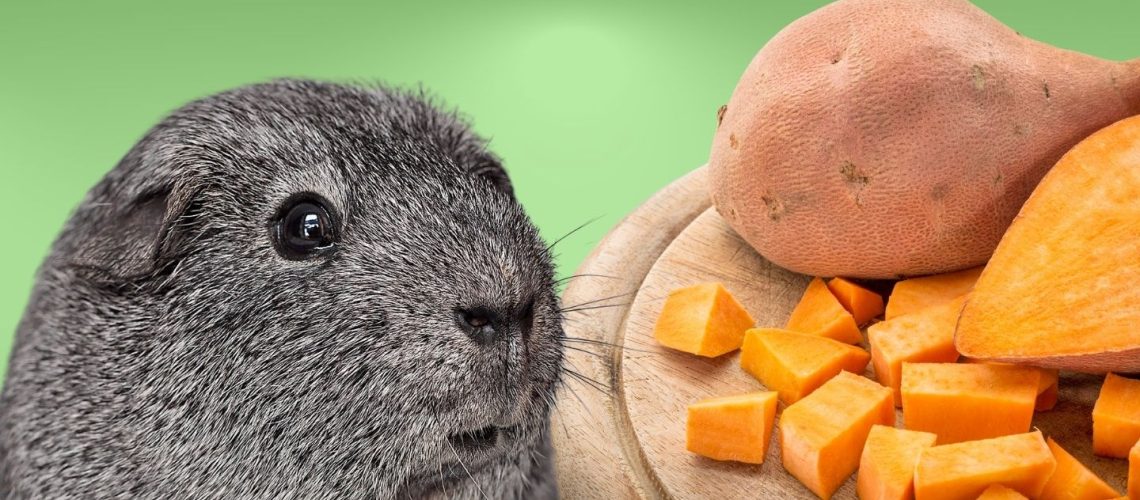
Yes, Guinea pigs can eat sweet potatoes, but they should only be given in moderation as a treat. Sweet potatoes are high in carbohydrates and can cause digestive issues if fed in large amounts.

Understanding the Guinea Pig Diet

Importance of Hay and Pellets

Guinea pigs require a well-balanced diet to maintain good health. The foundation of their diet should consist of hay and pellets, which provide essential nutrients and fiber necessary for proper digestion and overall health.

Role of Fruits and Vegetables

Fruits and vegetables should be included in a guinea pig's diet as they offer a variety of vitamins, minerals, and antioxidants that support their immune system and general well-being.

Treats and Moderation

Treats, like sweet potatoes, can be offered to guinea pigs, but it's important to do so in moderation to avoid potential health issues like weight gain and digestive problems.

Nutritional Benefits of Sweet Potatoes for Guinea Pigs

Vitamin A and Beta-Carotene

Sweet potatoes are a good source of beta-carotene, which is converted into vitamin A in the body. Vitamin A is essential for guinea pigs to maintain healthy eyesight and a strong immune system.

Vitamins C and B6

Sweet potatoes are also a good source of vitamins C and B6, which are important for overall health and metabolism. Vitamin C is especially crucial for guinea pigs as they cannot produce it on their own and must obtain it through their diet.

Fiber Content

Although sweet potatoes contain some fiber, which is beneficial for the digestive system, they have lower amounts compared to other vegetables. For this reason, sweet potatoes should not be fed as a main source of fiber for guinea pigs.

Potential Risks of Feeding Sweet Potatoes to Guinea Pigs

High Sugar Content

Sweet potatoes contain a high amount of sugar, which can lead to weight gain and dental issues if consumed in large quantities. It's essential to limit their intake to avoid these issues.

Digestive Issues

Feeding guinea pigs too much sweet potato can cause gas, bloating, and diarrhea. Therefore, it should only be given in moderation and gradually introduced.

How to Feed Sweet Potatoes to Guinea Pigs

Preparation Methods

Sweet potatoes should be given to guinea pigs raw, as cooking can alter the nutrient content. It's important to peel and cut them into small, bite-sized pieces before feeding.

Introducing Sweet Potatoes to Their Diet

When feeding sweet potatoes to Guinea pigs, it's important to introduce them gradually to avoid digestive issues. Start by offering a small piece of sweet potato once a week and see how your Guinea pig reacts. If they tolerate it well, you can gradually increase the amount.

How Much Sweet Potato Can Guinea Pigs Eat?

Guinea pigs should only be given a small amount of sweet potato as a treat, no more than a tablespoon per guinea pig per day. It's important not to overfeed sweet potatoes to avoid stomach issues and weight gain.

Signs of Overfeeding

If a guinea pig is being overfed sweet potatoes, it may display signs of weight gain, digestive issues, and a decreased interest in other foods. It's crucial to monitor their reaction to sweet potatoes and adjust the serving size accordingly.

Safe Alternatives to Sweet Potatoes

While sweet potatoes can be given as a treat, it's important to offer guinea pigs other vegetables with lower sugar content and higher fiber, like leafy greens, bell peppers, and cucumbers. These alternatives provide a more balanced nutritional profile and can be fed more frequently than sweet potatoes.

Conclusion: Moderation is Key

In conclusion, sweet potatoes can be a healthy and tasty treat for Guinea pigs when given in moderation. However, it's important to introduce sweet potatoes slowly and not overfeed them. As always, make sure to provide plenty of fresh hay, water, and a balanced diet for your Guinea pig's overall health and well-being.


Medically Reviewed by Ivana Crnec, DVM

Ivana is a DVM with a specialty in domestic carnivores – dogs & cats. She is passionate about educating pet owners and raising awareness about pet health.

You Might Also Be Interested In:

Can Dogs Eat pecans?
Toxic to Dogs
Ivana Crnec, DVM

Can Dogs Eat Pecans?

Pecans may be a tasty snack for humans, but can dogs enjoy them too? Find out if it’s safe for your furry friend to indulge in this nutty treat.

Read More »
Can Dogs Eat cabbage?
Safe for Dogs
Ivana Crnec, DVM

Can Dogs Eat Cabbage?

Can dogs eat cabbage? Find out the answer in this comprehensive article that explores the potential health benefits and risks of this leafy green vegetable for your furry friend.

Read More »
Can Dogs Eat jasmine rice?
Safe for Dogs
Ivana Crnec, DVM

Can Dogs Eat Jasmine Rice?

Can dogs eat jasmine rice? Find out the answer in this comprehensive article, which discusses the benefits and risks of feeding jasmine rice to dogs, as well as appropriate portion sizes.

Read More »
Can Dogs Eat donuts?
Dangerous to Dogs
Ivana Crnec, DVM

Can Dogs Eat Donuts?

Is it okay to give your dog a donut? Find out the answer in this article and learn why donuts are not a healthy option for dogs as part of their regular diet.

Read More »
Can Dogs Eat candy?
Toxic to Dogs
Ivana Crnec, DVM

Can Dogs Eat Candy?

Did you know that candy can be dangerous for dogs? Find out what you should do if your furry friend accidentally eats some and how to keep them safe in our comprehensive article.

Read More »
Can Dogs Eat rice cakes?
Safe for Dogs
Ivana Crnec, DVM

Can Dogs Eat Rice Cakes?

Can dogs eat rice cakes? Find out in this article, which covers the potential benefits and risks of feeding rice cakes to dogs, as well as the recommended serving size.

Read More »
Can Dogs Eat apple juice?
Dangerous to Dogs
Ivana Crnec, DVM

Can Dogs Drink Apple Juice?

Is apple juice safe for dogs to drink? Find out in this comprehensive article, which covers the potential dangers and offers safe alternatives for your furry friend.

Read More »
Can Dogs Eat blue cheese?
Dangerous to Dogs
Ivana Crnec, DVM

Can Dogs Eat Blue Cheese?

Is blue cheese safe for dogs to eat? Find out in our comprehensive article, which covers the potential risks and healthy alternatives for your furry friend.

Read More »
Can Dogs Eat mulberries?
Safe for Dogs
Ivana Crnec, DVM

Can Dogs Eat Mulberries?

Mulberries may be tasty treats for humans, but can they be safely fed to dogs? Find out in our comprehensive article on whether dogs can eat mulberries, including information on portion size and potential risks.

Read More »
Can Dogs Eat banana chips?
Not Recommended for Dogs
Ivana Crnec, DVM

Can Dogs Eat Banana Chips?

Dogs may be able to eat banana chips, but is it really a good idea? Read on to learn more about the potential dangers and benefits of this treat for your furry friend.

Read More »
Can Dogs Eat french fries?
Dangerous to Dogs
Ivana Crnec, DVM

Can Dogs Eat French Fries?

Is it okay for dogs to eat french fries? Find out in this comprehensive article, which covers why french fries are not good for dogs and provides healthy alternatives. Plus, learn about portion size for dogs.

Read More »
Can Dogs Eat dates?
Not Recommended for Dogs
Ivana Crnec, DVM

Can Dogs Eat Dates?

Can dogs eat dates? Read on to learn about the potential benefits and risks of feeding dates to your furry friend, as well as appropriate portion sizes.

Read More »
Can Dogs Eat cod?
Safe for Dogs
Ivana Crnec, DVM

Can Dogs Eat Cod?

Dogs love to chow down on all sorts of delicious treats, but can they enjoy cod? Find out if this lean fish is safe for man’s best friend, and learn about the potential risks and benefits.

Read More »
Can Dogs Eat garlic bread?
Toxic to Dogs
Ivana Crnec, DVM

Can Dogs Eat Garlic Bread?

Is garlic bread safe for dogs to eat? Find out in our comprehensive article, including information on portion size and what to do if your dog has eaten garlic bread.

Read More »